Language Support Guarantees the Inclusion and Articulation of Territorial Voices
By Comms Team
Ensuring that the voices of the territories circulate within their own cultural frameworks, without being diminished or distorted, and enabling fair and informed conversations, is much more than simply “translating words”.
This is why TINTA has been building a comprehensive language support approach—which is now materialised in a Practical Guide for Organising Multilingual Events—to help create conditions for the full and effective participation of Indigenous Peoples’ organisations, Afro-descendant Peoples, local communities, and their allies.
May All Voices Be Heard
The predominance of English in the spaces where climate policies and territorial rights are discussed is one of the clearest expressions of the asymmetries that mark the current context: 98% of scientific publications are produced only in English, a language spoken by barely 18% of the global population, according to Climate Cardinals in “The Global Climate Language Access Framework”. This gap deepens power dynamics rooted in colonialism, excludes fundamental knowledge, and dictates who accesses information, who participates in debates, and who influences the decisions that directly affect the territories.
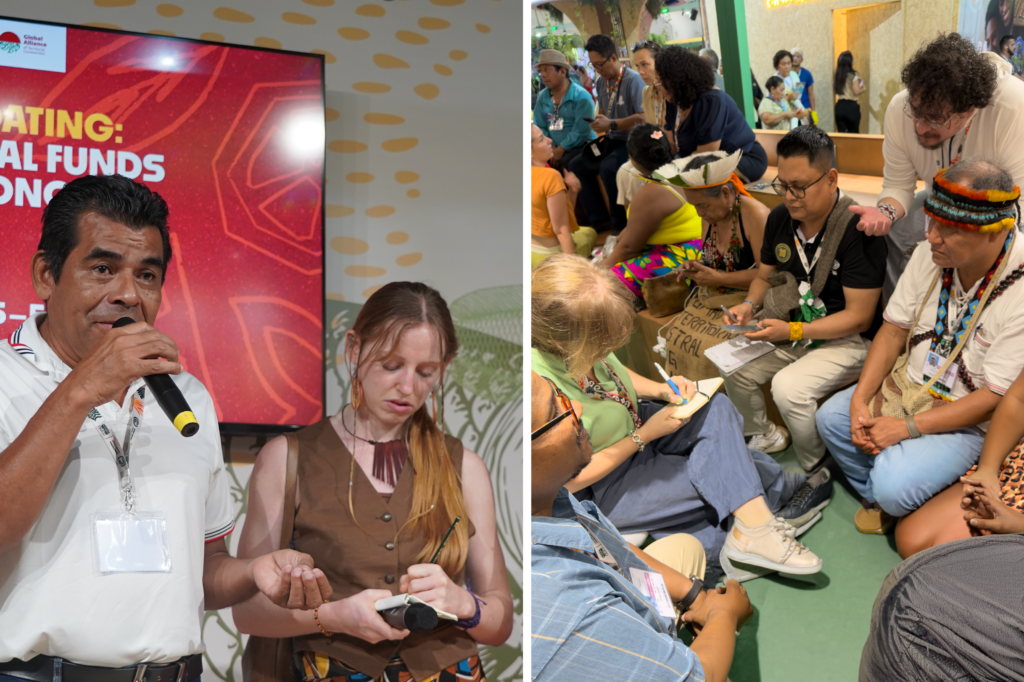
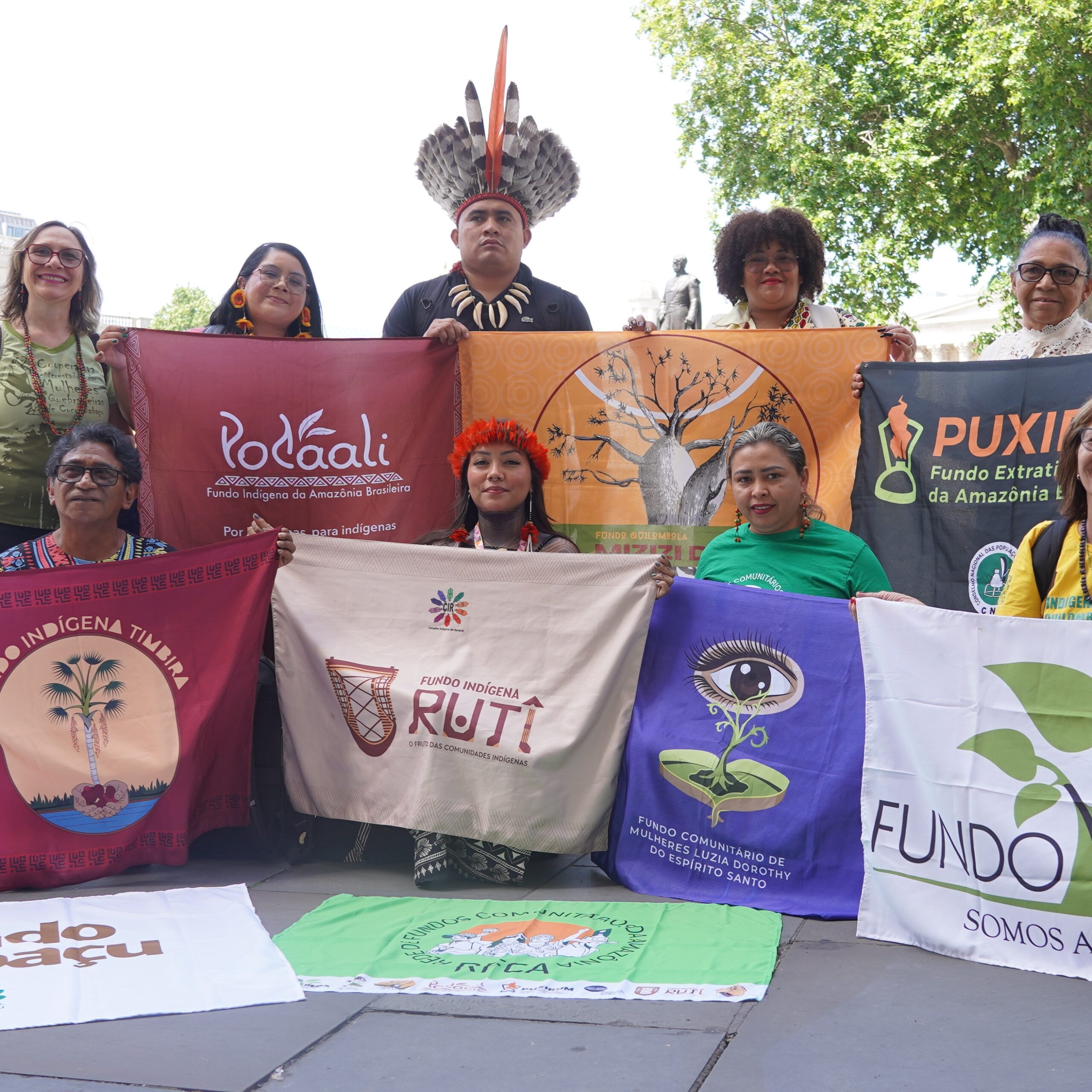
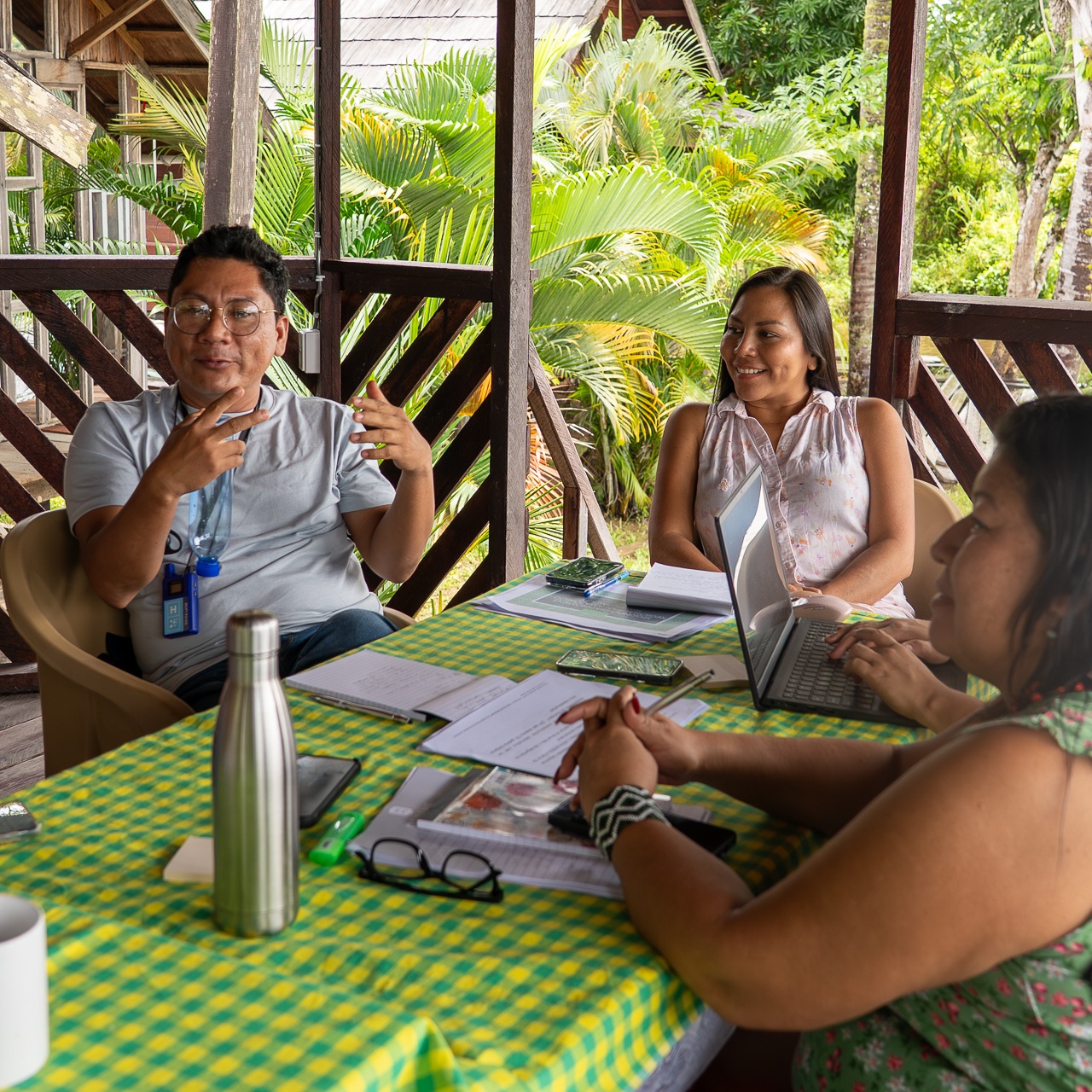
Thanks to multilingual interpretation, territorial funds were able to dialogue face-to-face with donors during the Shandia “speed dating” event at COP30.
Credit: Axel Vique, TINTA, 2025
In light of this, language justice is central to guaranteeing the right of all people to express themselves and be understood on their own terms. Multilingual facilitation and interpretation are concrete tools for making progress in this regard, by enabling Indigenous Peoples, Afro-descendants, and local communities to participate in conversations that take place in languages unfamiliar to them, and by allowing exchange between peoples and communities in regional and global articulation spaces, internal meetings, and learning and collaboration processes, so they can enrich their perspectives, strengthen their actions, and build stronger alliances.
TINTA’s work in language support has grown — from practice and experience — to establish itself as a strategic pillar and a benchmark for the inclusion, dialogue, and articulation of territorial organisations in political and institutional spaces of civil society, governments, international cooperation, and philanthropy.
This growth is expressed in an increasingly broad daily support: in 2025, TINTA provided at least 3,255 hours of interpretation in 565 meetings, making possible the circulation of over 500,000 words between languages, territories, and decision-making spaces.
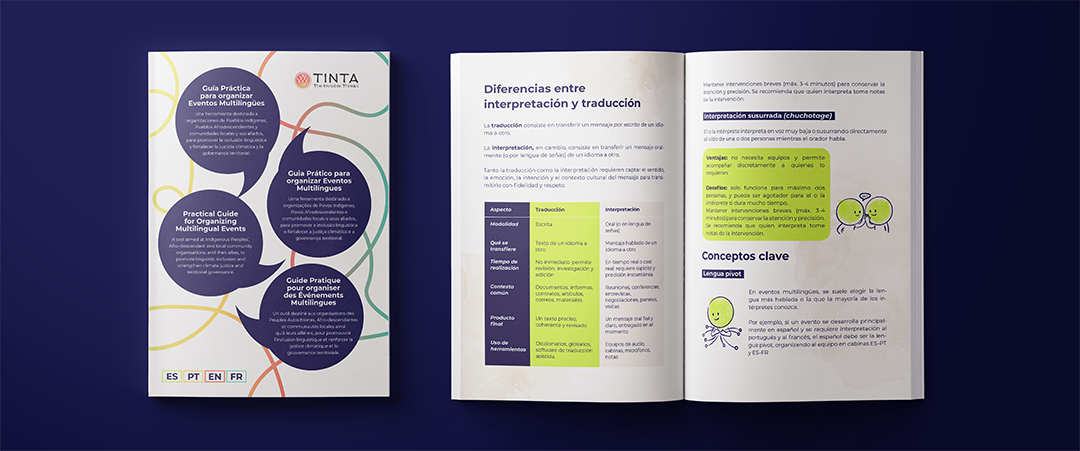
Practical Guide for Organising Multilingual Events
A tool aimed at Indigenous Peoples’, Afro-descendant and local community organisations, and their allies, to promote linguistic inclusion and strengthen climate justice and territorial governance.
An Approach that Integrates Words, Ideas, and Cultures
In its five years of existence, TINTA has fostered and sustained countless spaces for articulation and dialogue, guided by the principles of equity, linguistic consent, emotional and political care, and technical rigour.
The ability to contextualise is one of the main strengths of our work. This “situated interpretation” approach frames conversations within political, cultural, and territorial contexts, and requires interpreters to know the different actors and understand the territories, worldviews, and histories that underpin each contribution.
To implement this approach, TINTA has built a network of dozens of interpreters who share a genuine commitment to human rights and environmental and climate justice, and who possess a deep intercultural sensitivity. Drawing from her experience in building and consolidating this work, Diana Harland de Benito, TINTA’s former Language Support and Logistics Manager, points out that when interpretation fails, or subtleties are not handled with tact, misunderstandings can arise, or alliances can fracture, preventing joint work. For this reason, TINTA has organised training sessions for interpreters on specific topics, such as climate financing mechanisms or carbon markets.
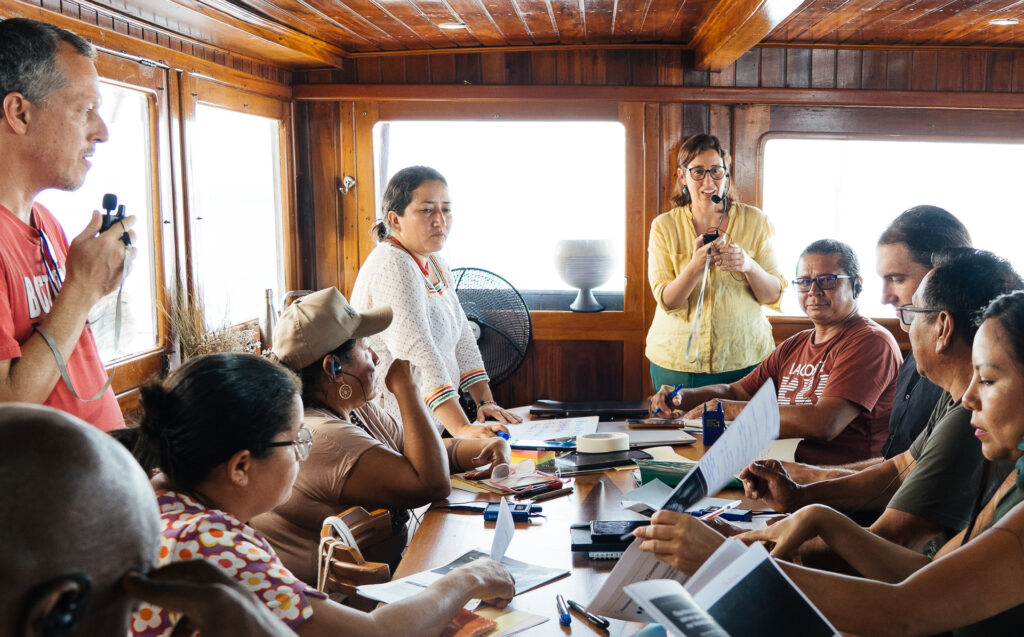
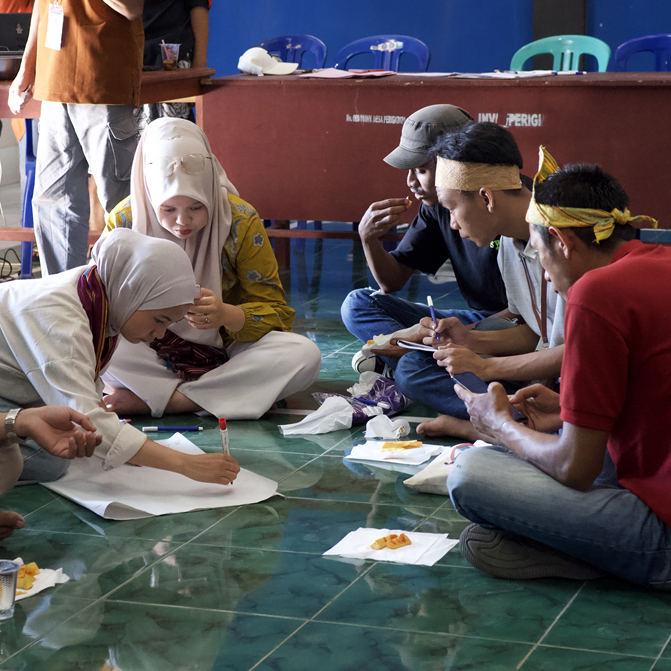
TINTA's language support is tailored to each scenario. In 2025, we provided interpretation for a meeting that took place aboard two boats sailing down the Amazon River.
Credit: Bahía Flores, TINTA, 2025
“This approach enables messages to be conveyed with precision, without losing nuances or political meaning, and ensures that the concerns and proposals of territorial organisations reach those listening intact, strengthening processes and giving greater legitimacy to positions and agreements,” notes Diana.
The technical expertise to address the complexity behind every conversation is equally essential. TINTA has worked in in-person and virtual contexts, with multiple languages and challenging combinations, where choosing the appropriate type of interpretation, ensuring sound equipment and audio quality, implementing correct spatial distribution, and planning and coordinating in advance are decisions that directly affect the quality of the dialogue.
As the quality of the work depends on having good conditions, prior preparation, and materials shared in advance, TINTA places special emphasis on taking care of every detail to, in turn, safeguard collective dialogue.
When these practices and criteria are met, the long journeys and weeks away from home for territorial leaders prove worthwhile. An exchange of ideas and learning takes place, and they return to their communities and organisations with knowledge and information to share.
An Invisible Thread that Sustains Alliances
TINTA’s commitment to long-term processes has forged bonds of respect and trust with our allied organisations. In countless instances, TINTA’s language support has been key to enabling representatives of territorial communities to engage in dialogue and be heard.
A recent example of this role took place during COP30, where the TINTA team supported a direct dialogue space between territorial funds and international donors, where forms of financing with real impact in the territories were discussed. Conversations that, without adequate interpretation, could hardly have taken place, and whose scope goes far beyond the event.
“TINTA’s support for interpretation was fundamental in ensuring everyone felt comfortable knowing they would be heard”
At the same time, TINTA has made connections possible between organisations that do not share a language but do share common struggles and objectives. Networks and organisations of varying scope depend on interpretation to sustain themselves, meet, build collective strategies, and generate synergies.
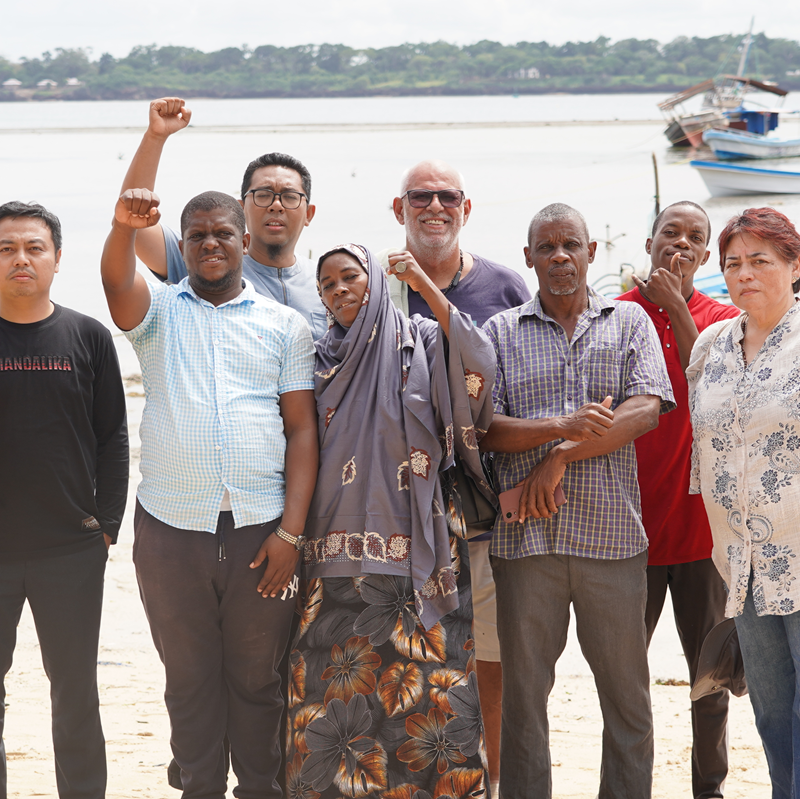
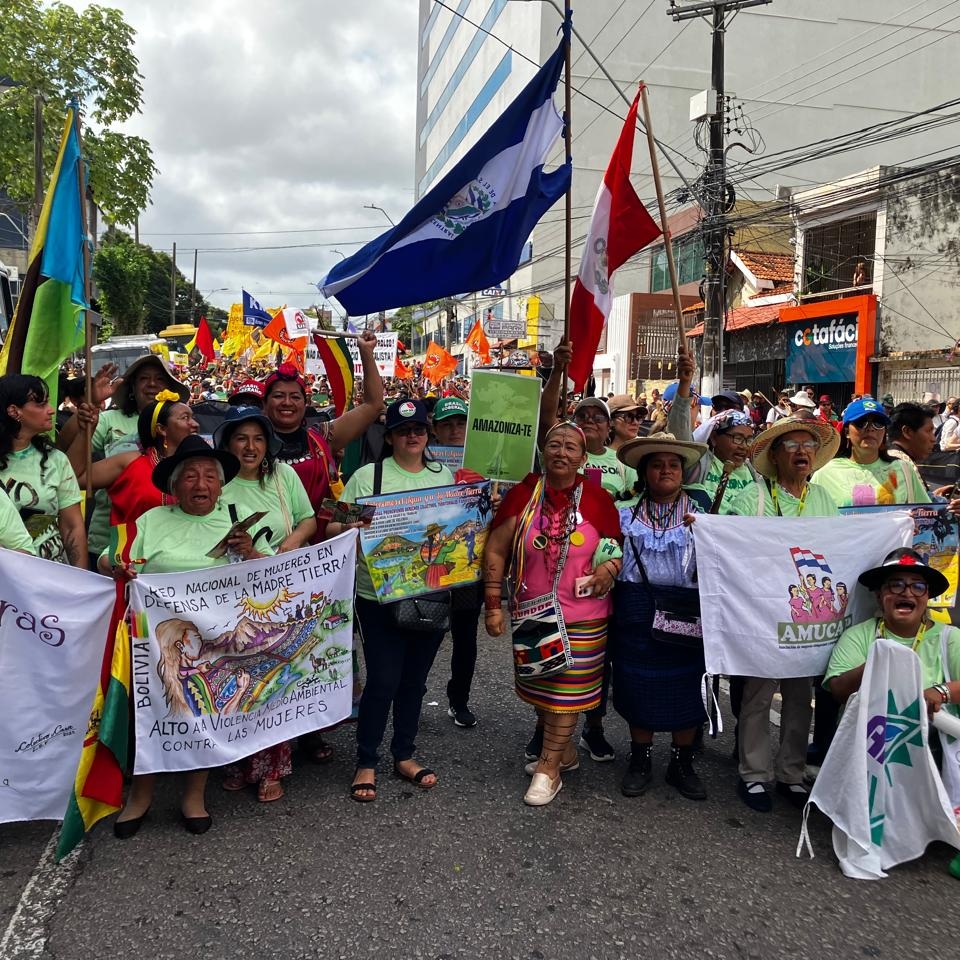
Our journey alongside the Global Alliance of Territorial Communities (GATC) reflects this. TINTA’s work has been crucial for the strengthening and growth of this coalition, which brings together leaders from the world’s main tropical forest regions who speak English, Spanish, Portuguese, French, and Bahasa Indonesia.
“The commitment of every member of the TINTA Language Support team, their professionalism, commitment, and flexibility continue to make an enormous difference in our collective work... every single day!”
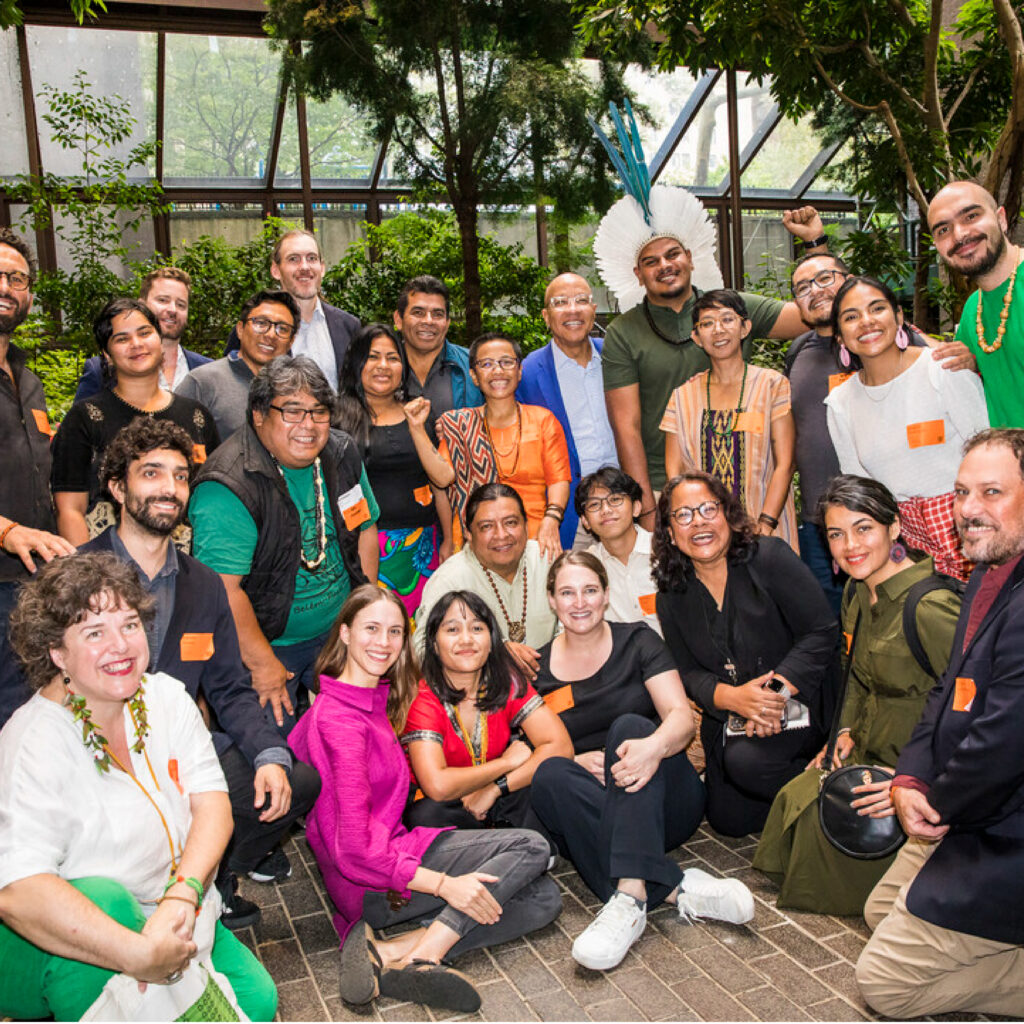
The GATC invited TINTA to plant a seed in the Ford Foundation garden, a symbolic gesture that shows how multilingual facilitation is part of the fertile ground where understanding and collective action grow.
Credit: Global Alliance of Territorial Communities.
Thus, TINTA builds a perspective and a way of working that transforms communication into a bridge towards collective action, democracy, and real inclusion, where all voices count and rights can be defended on equal terms.