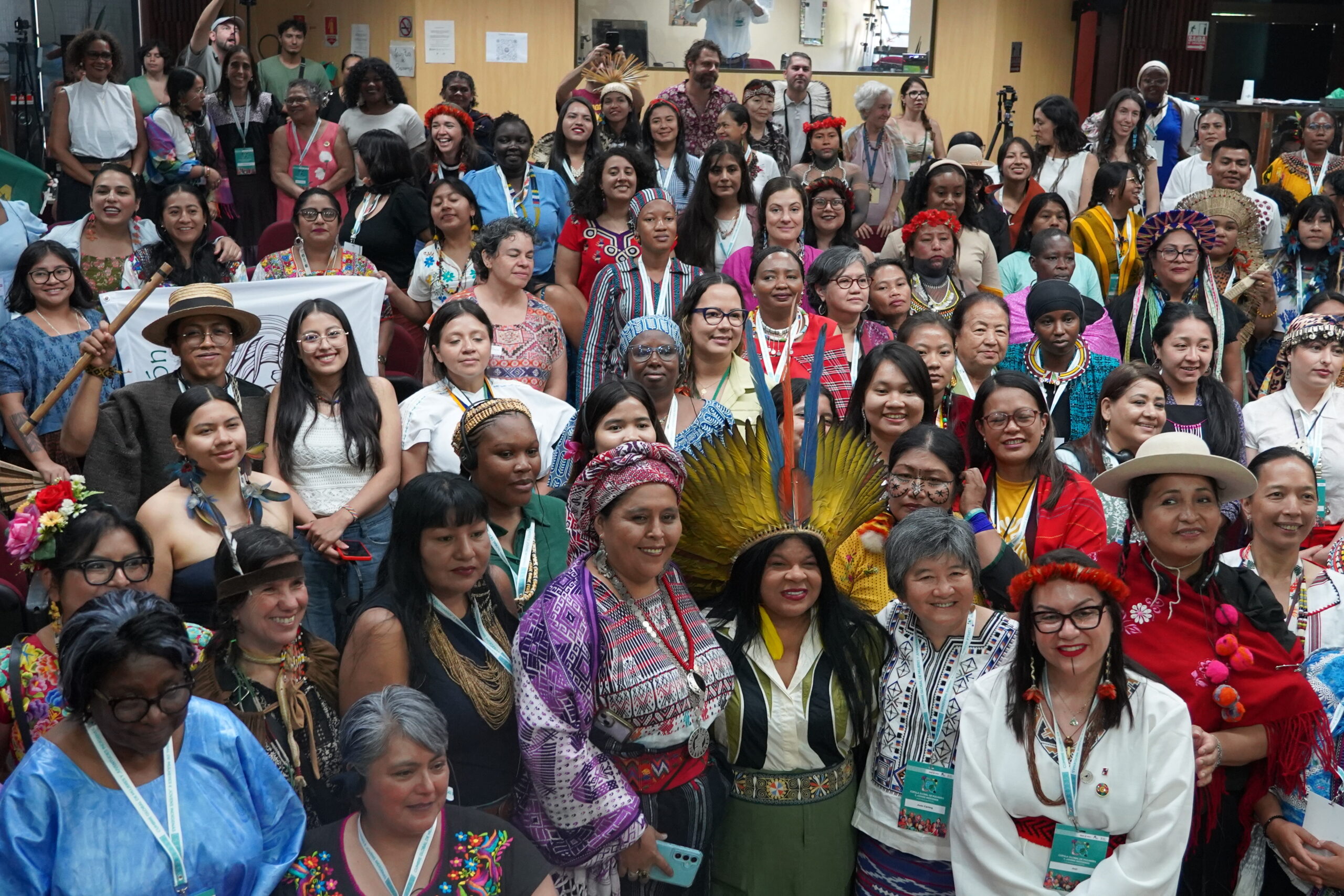
1. COP 30 was the “COP of the Peoples”
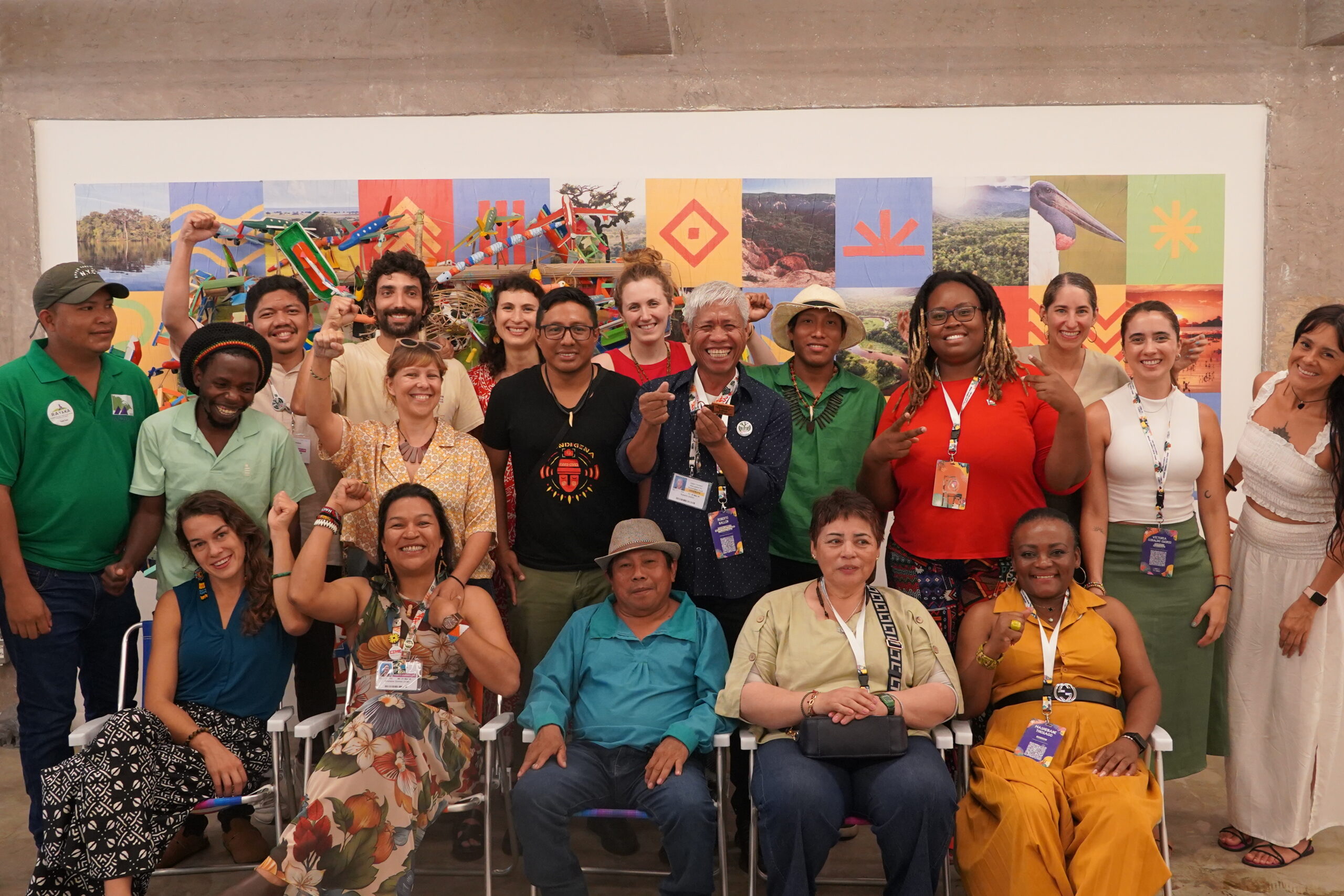
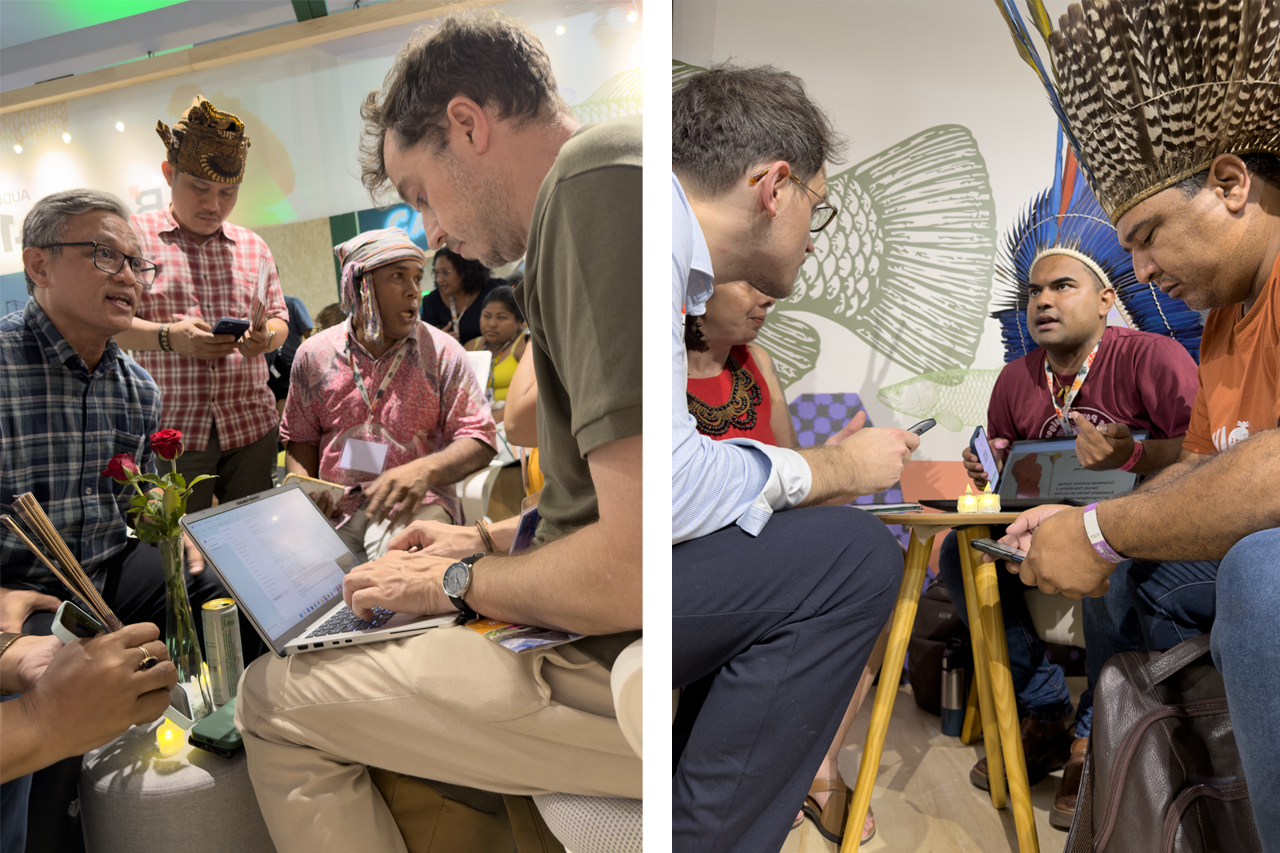
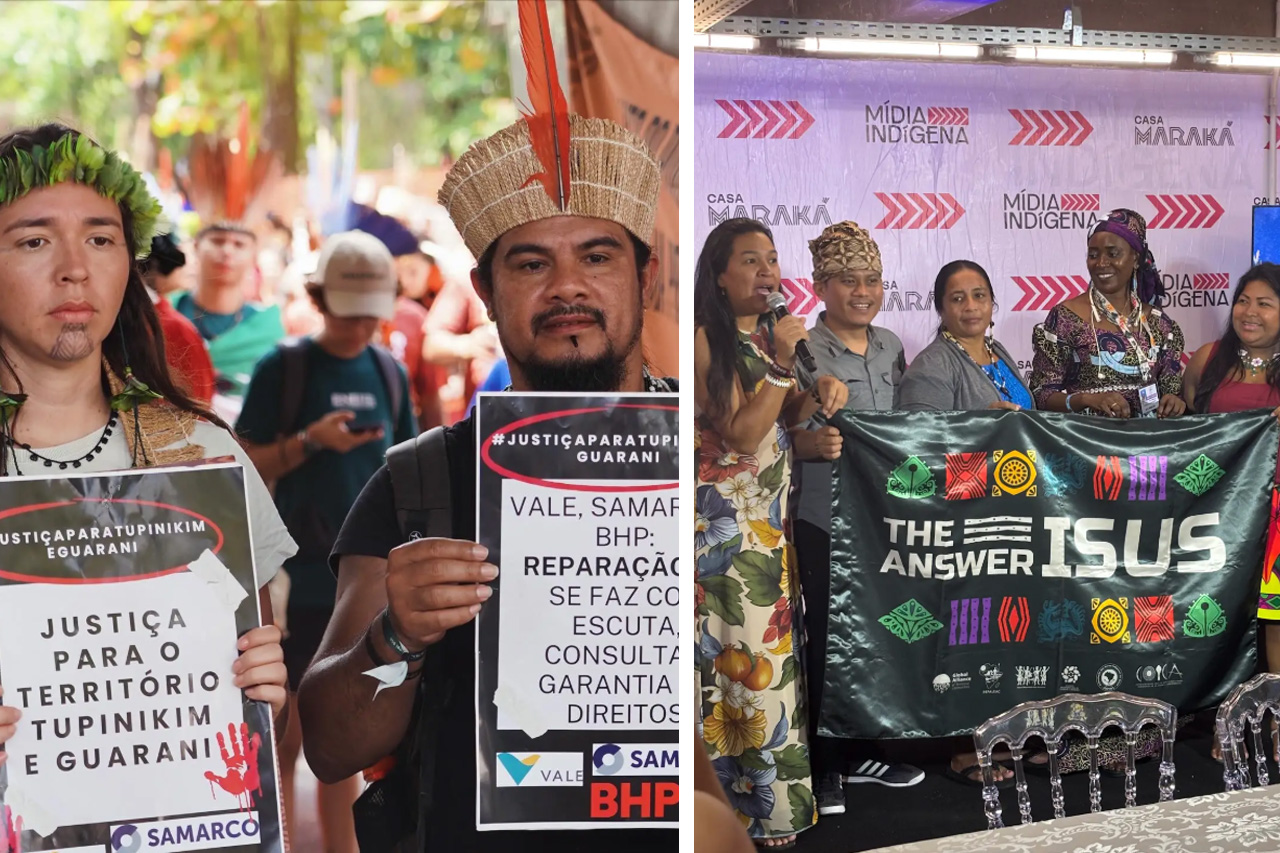
The city of Belém turned into a living, breathing forum for civil society. The COP was everywhere from taxis to restaurant menus. Parallel venues—Peoples’ COP, Cúpula dos Povos, Aldeia COP, Casa Maraka, Casa NINJA Amazonia, La Casa dos Oceanos, Global South House, and many more—hosted their own schedules of workshops, panels, and cultural events.
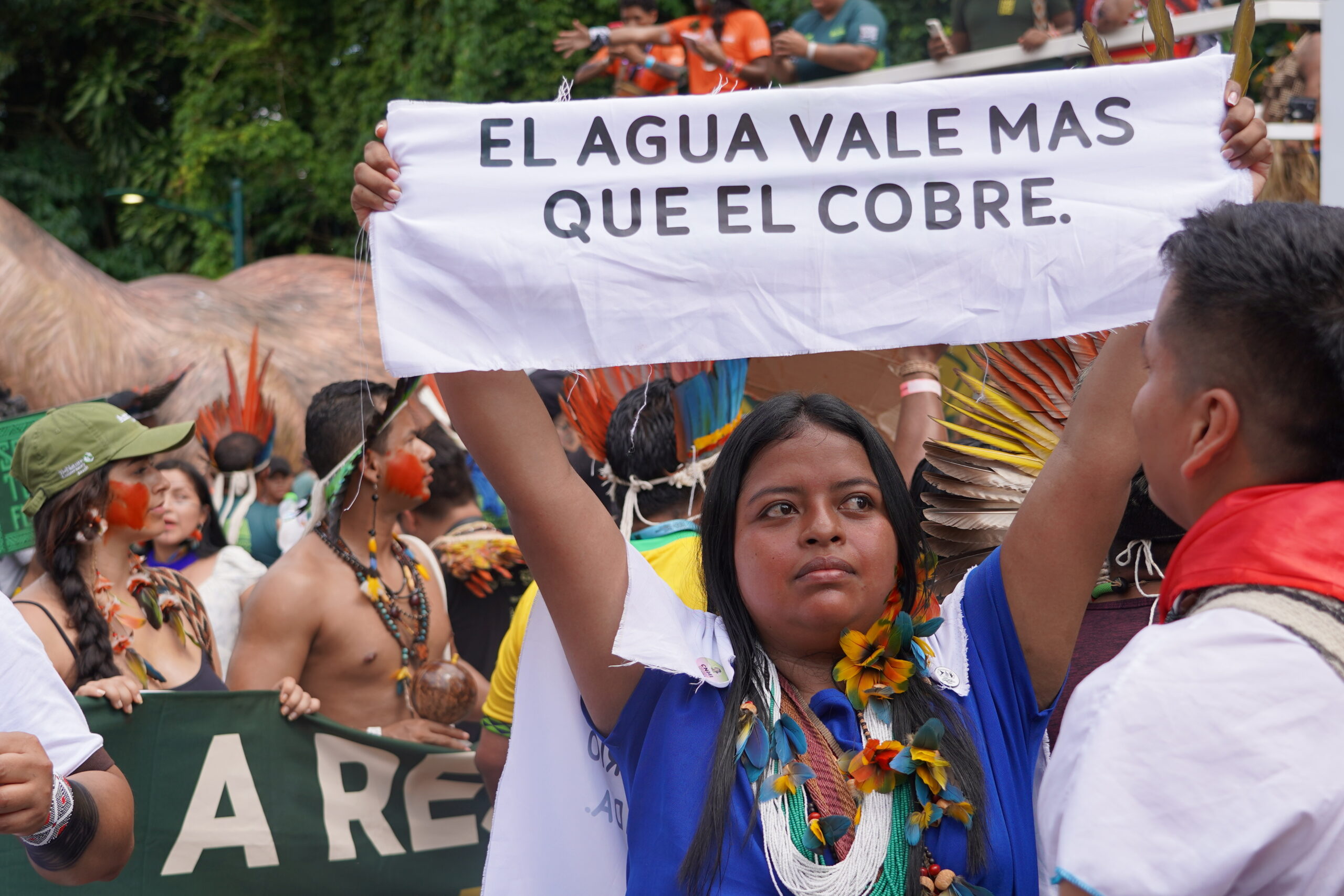
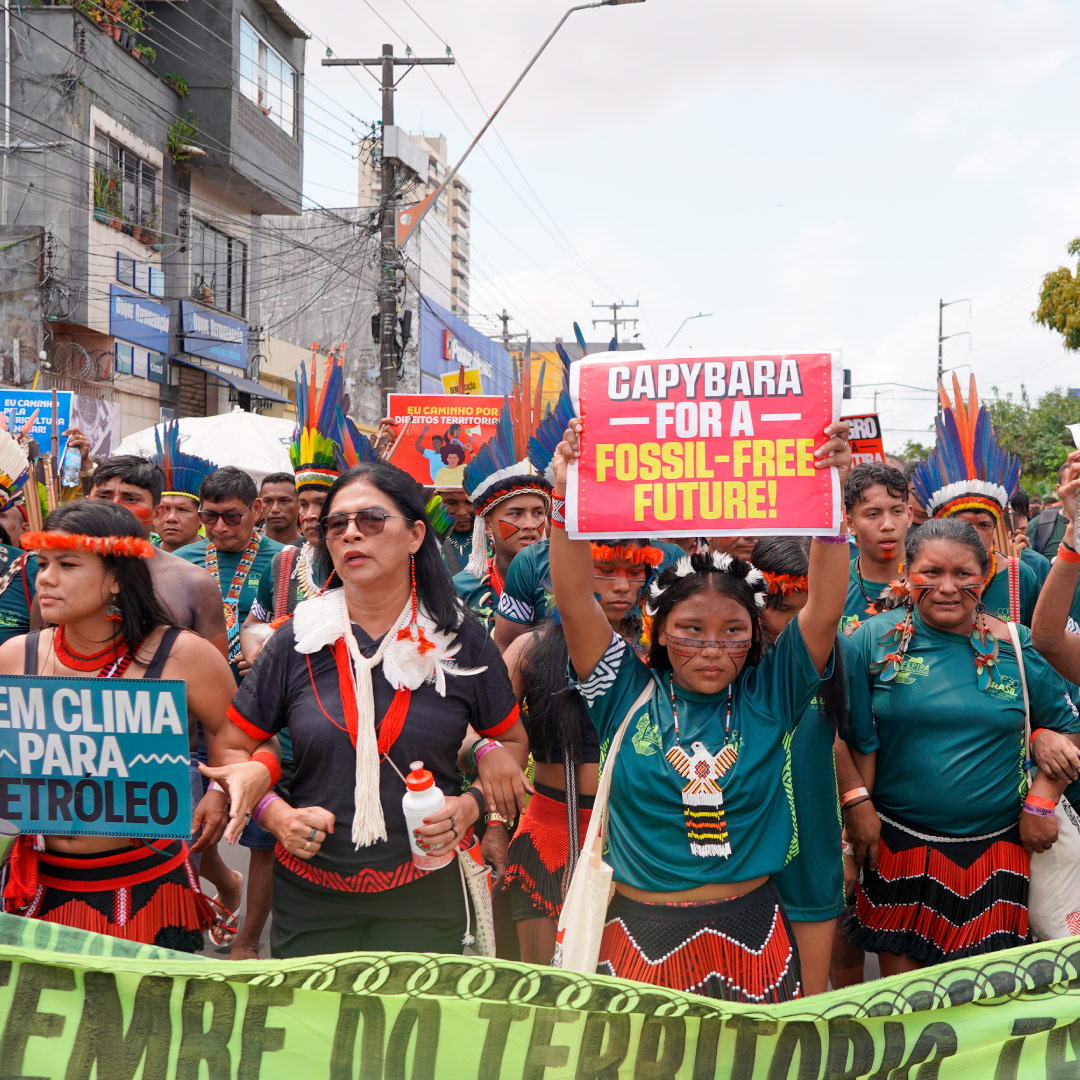
In a world where democratic spaces are increasingly under pressure, witnessing civil society organisations rallying side‑by‑side with Indigenous, Afro‑descendant and local community organisations was both reassuring and healing. One of the most visible expressions was the Global Climate March of November 15, when 70.000 people marched demanding environmental and social justice for the Amazon and beyond.
A few days earlier, a flotilla of two hundred boats sailed into the Guamá River, at the city’s front, a few days earlier to call for climate justice, and the People’s Summit Declaration, drafted by people from around the world and signed by 1,109 social organisations (including TINTA) and political movements, was delivered to the COP presidency. With no doubt, the mobilization of territorial organisations and civil society had never been this expansive during a COP.
2. Finance was front and centre
Echoing the momentum of New York Climate Week, finance and direct funding to territorial organisations was top of mind. More than 35 funders pledged a total of US $1.8 billion over five years to strengthen land and forest rights for Indigenous Peoples, Afro‑descendants, and Local Communities— following the US $1.7 billion pledge for 2021-2025 made at COP26 that was already achieved by the end of 2024. In addition, fifteen countries signed the International Land Tenure Commitment, promising to protect 160 million hectares of Indigenous, Afro‑descendant and community lands by 2030. Lastly, the Tropical Forest Forever Facility was launched with 6.7 billion committed by the end of the COP and 20% of allocations dedicated to Indigenous Peoples and local communities.
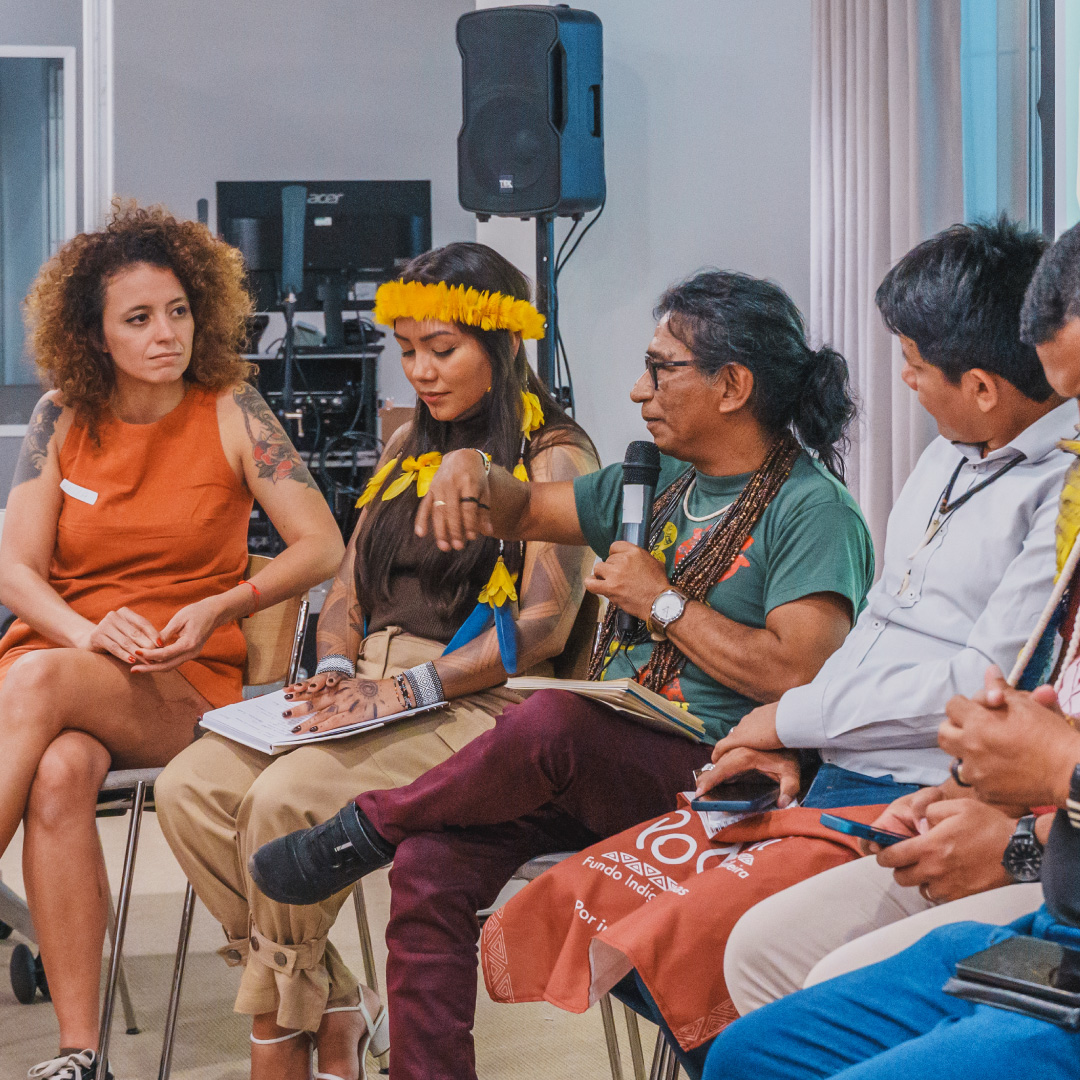
At the same time, the Shandia Forum advocated for a “Peoples’ Pledge”, promoted exchange of experiences between territorial funds, and even held a rapid‑fire “speed‑dating” session with funders. The message is crystal clear: a growing number of territorial funds are ready to translate money into tangible on‑the‑ground progress.
3. Afro‑descendant Peoples got an historic recognition
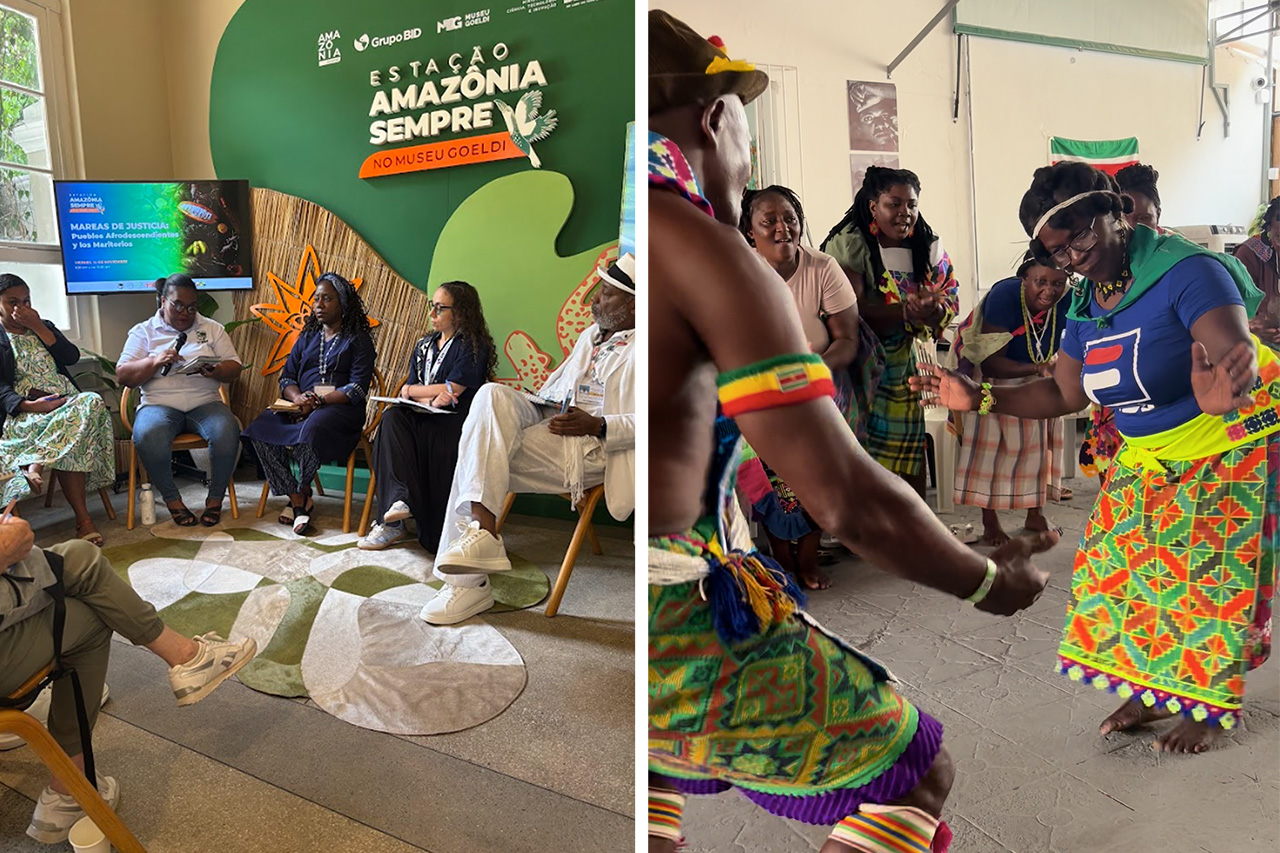
For the first time in COP history, Afro‑descendant Peoples earned explicit mention in core negotiation texts, including sections on Just Transition, Gender Action, and the Global Goal on Adaptation. Although the United Nations Framework Convention on Climate Change has yet to recognize Afro-descendant Peoples as a standalone constituency, this acknowledgment gives advocates a concrete foothold to advance their rights within the climate framework.
Beyond this historic shift, COP30 delivered tangible gains for Afro‑descendant communities. Twelve new land titles were awarded to Quilombola groups in Pará, Brazil, and the Plan to Accelerate Solutions on Land Tenure for Afro‑descendant Communities was launched, laying out a roadmap for securing and strengthening land rights across the region.