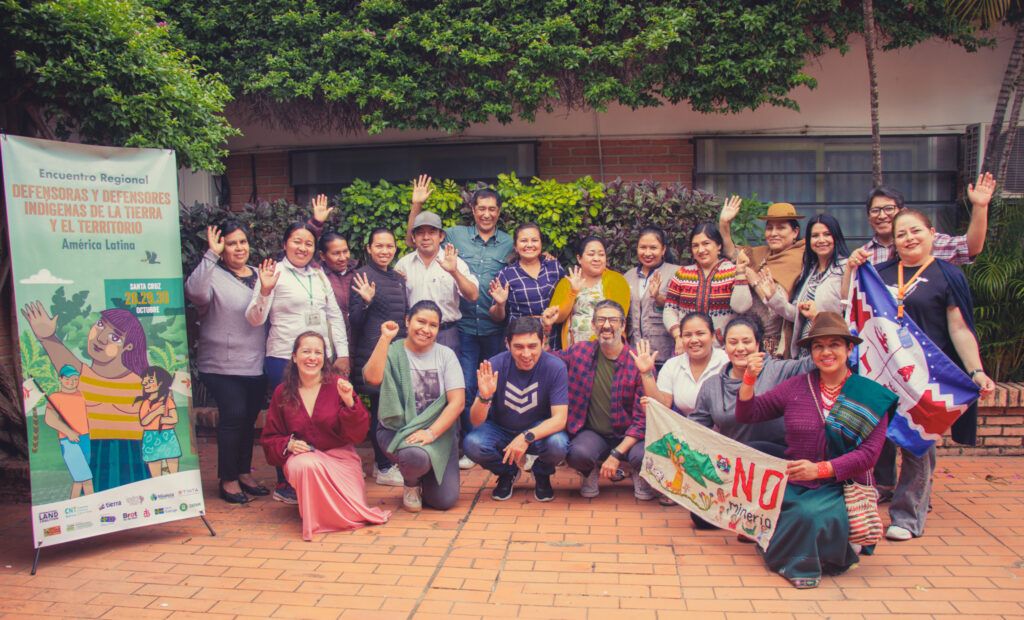
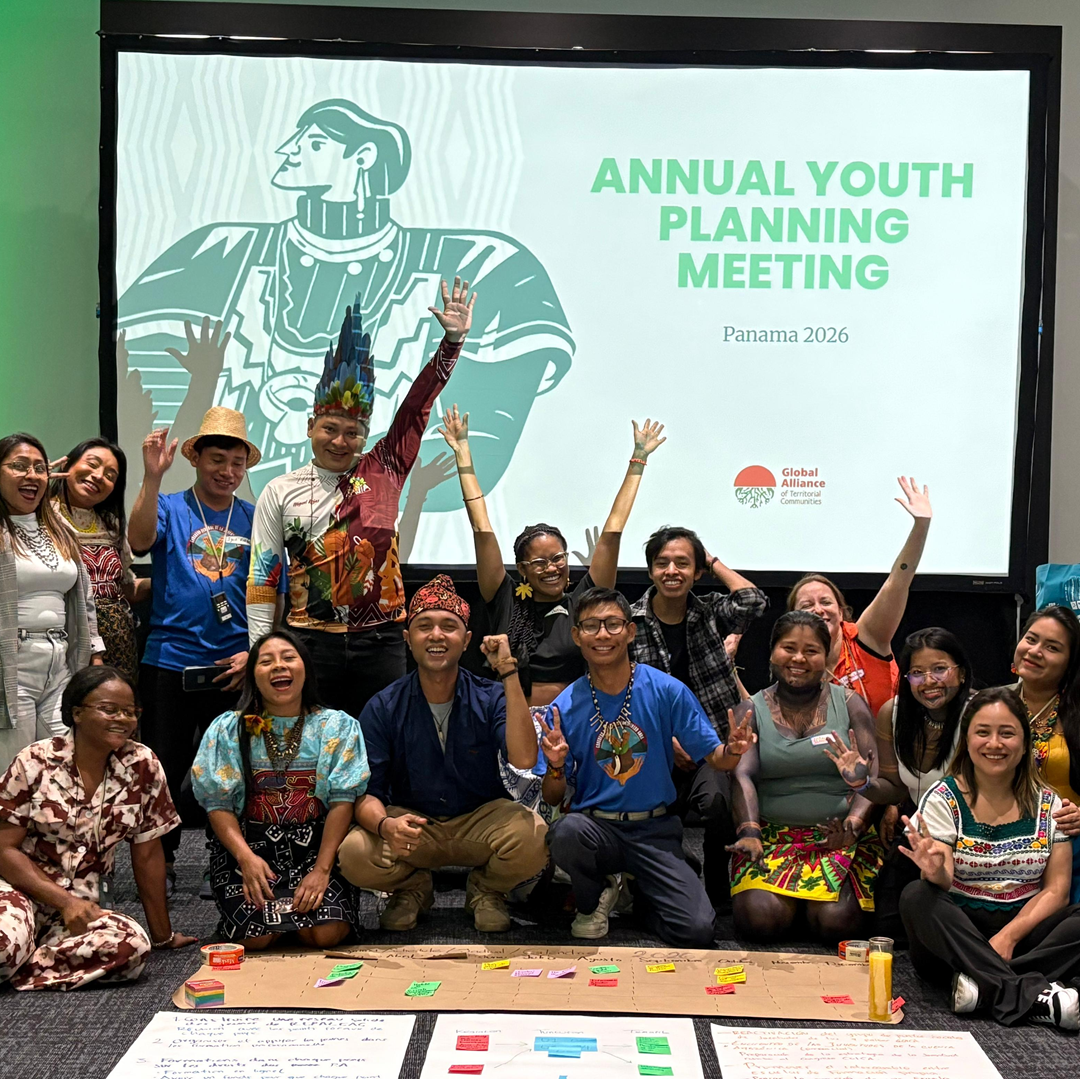
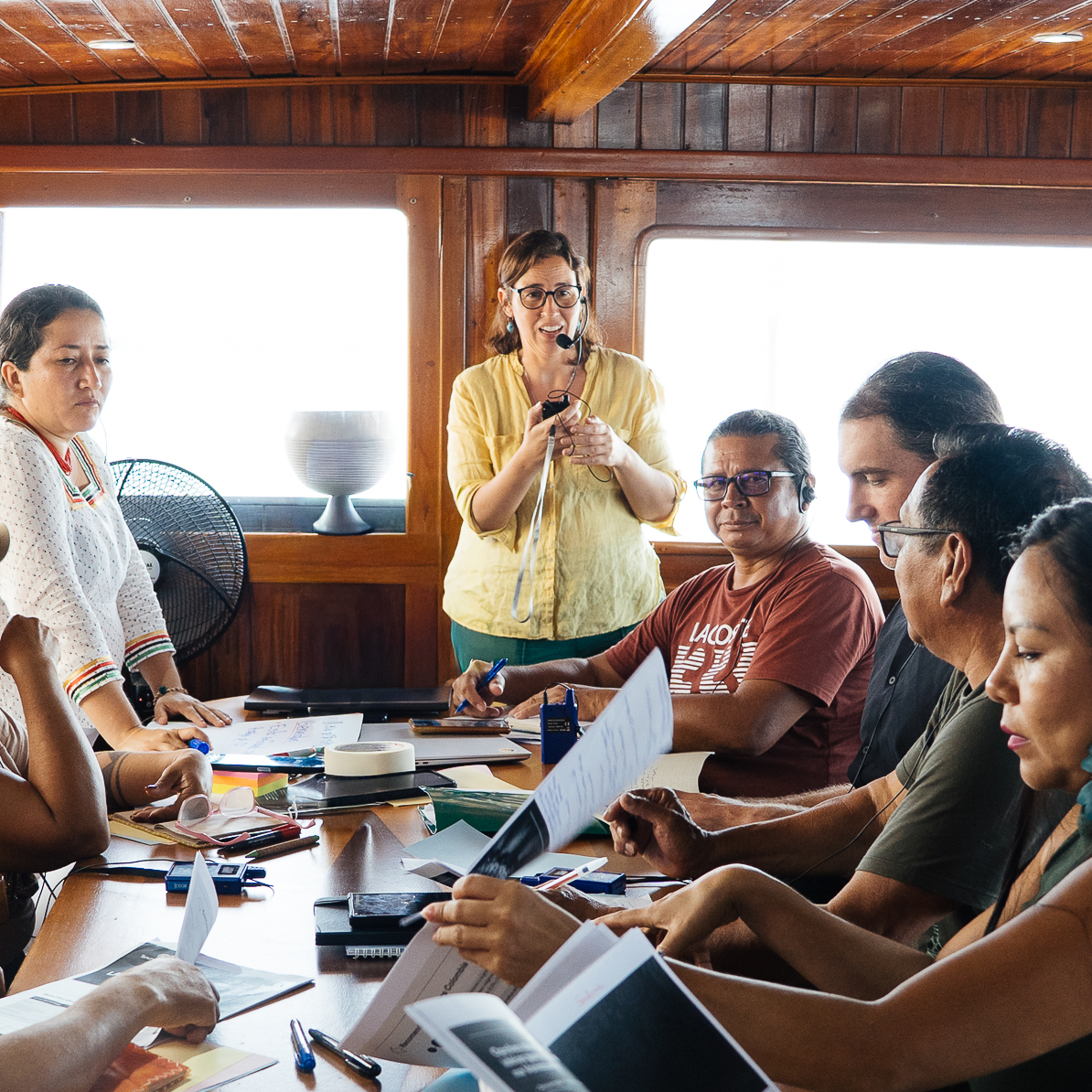
Between 27 and 30 October, Indigenous land and territorial defenders from across Latin America gathered in Santa Cruz de la Sierra, Bolivia, to exchange strategies, strengthen alliances, and advance the development of a common advocacy agenda for international spaces.
Indigenous Peoples face increasing threats from expanding extractive, agro-industrial, and infrastructure activities, which drive dispossession, criminalization, and systemic violence. Year after year, Latin America and the Caribbean remain among the most dangerous regions in the world for those who defend land, territories, and the environment. According to the latest Global Witness report, of the 119 lethal attacks and disappearances that occurred in Latin America in 2024, 45 were against Indigenous defenders.
In this context, the Regional Gathering of Land and Territory Defenders took place—an environment of dialogue, healing, and collective articulation that reaffirmed the commitment of Indigenous Peoples to defending life, autonomy, and their own systems of justice.
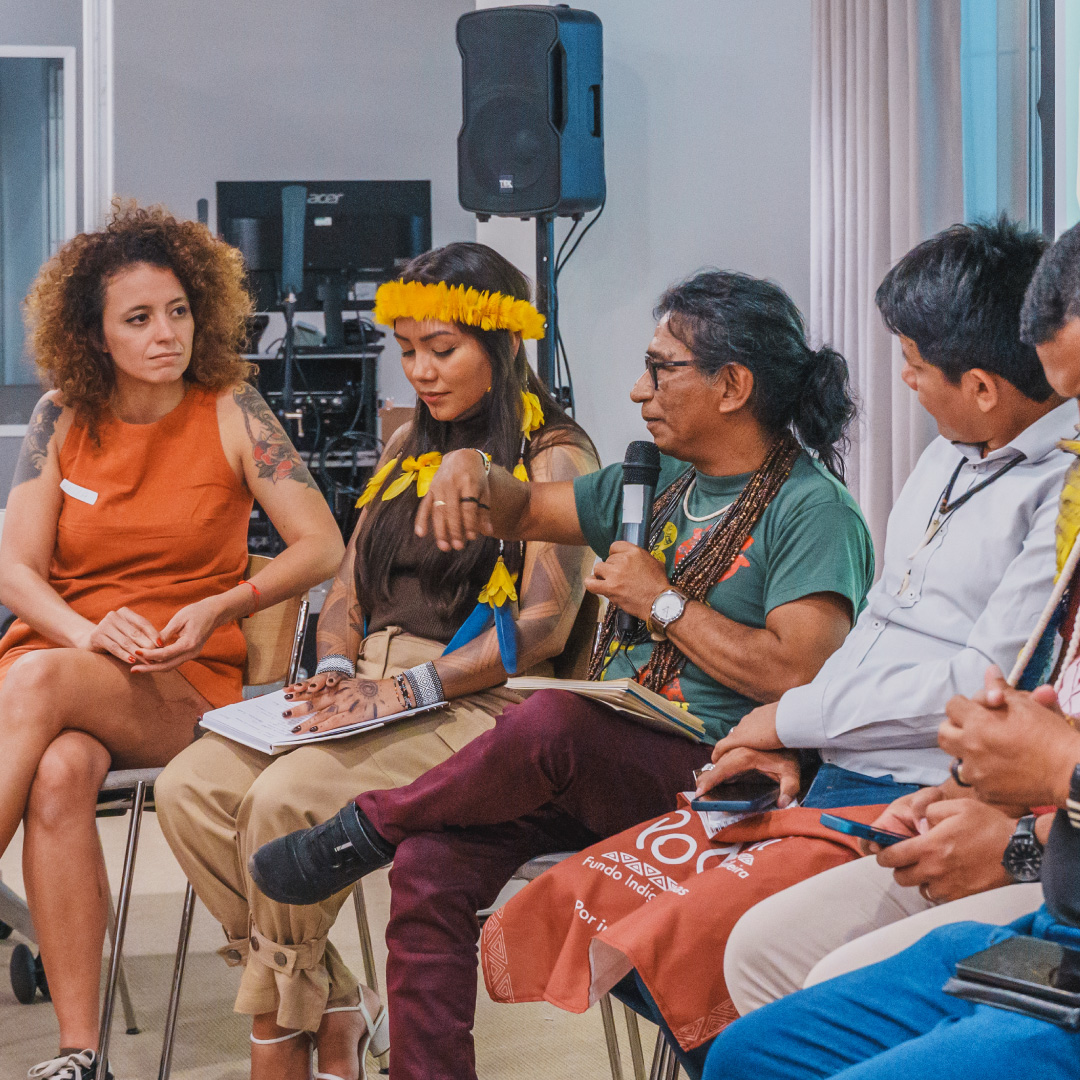
Over four days, Indigenous defenders from Bolivia, Argentina, Ecuador, Peru, and Chile shared experiences on protection, self-care, community justice, and advocacy strategies, highlighting solidarity among peoples and ancestral knowledge as pillars of their resistance.
The gathering culminated in the drafting of an Open Letter to States, governments, international organizations, and civil society, in which the participating organizations issued an urgent call to halt the advance of extractivism, criminalization, and territorial dispossession.
“Our territories are sources of biodiversity, culture, and food sovereignty. They nurture sustainable local economies, ancestral knowledge, and spiritual relationships that enable us to care for rivers, forests, mountains, flora, and fauna,” the letter states.
With hope and determination, the defenders reaffirmed that the unity of Indigenous Peoples is essential to confront regional and global threats, and that their horizon remains Buen Vivir and the Land Without Evil (Ivi Maraei): a life in balance with nature, justice, and the freedom of peoples.
As a member of the International Land Coalition (ILC), TINTA took part in this gathering organized by the Platform of Land and Territory Defenders and the Platform of Indigenous Peoples of Latin America and the Caribbean, together with other supporting organizations such as the Institute for Rural Development of South America and the TIERRA Foundation.
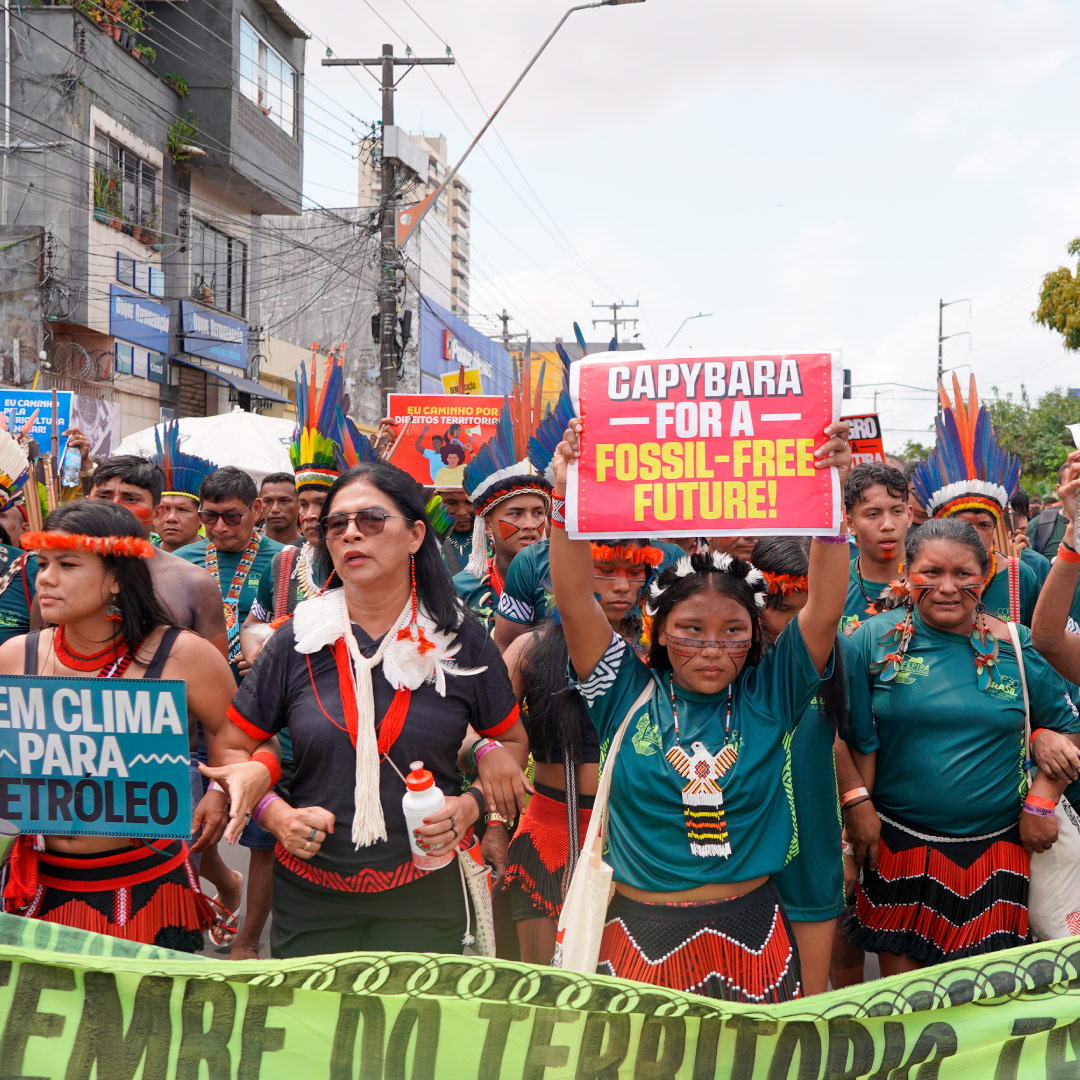
Despite the multiple challenges they face, Indigenous Peoples confront them with the strength of centuries of resistance. Autonomy and their own justice systems, ancestral knowledge and spiritual connections with nature, sustainable local economies, and the growing leadership of women and youth in territorial defense and communication processes were among the strengths identified.
The leadership of Indigenous women was central in the discussions and reflections, emphasizing that “without women, there is no territory and no future.” They are guardians of life, water, and culture and, although they face discrimination and violence both within and outside their communities, they sustain resistance processes and strengthen the transmission of knowledge.