JAMNAS V BPAN: A New Chapter for Indonesia's Indigenous Youth Movement
By Alejandra Salgado, Learning & Collaboration Program Officer
The fifth national gathering (JAMNAS V) of Barisan Pemuda Adat Nusantara (BPAN), the Indigenous Youth Front of the Archipelago, brought together more than 500 Indigenous Youth delegates representing BPAN’s seven regional chapters — Sumatra, Java, Kalimantan, Sulawesi, Bali-Nusra, Maluku Islands and Papua — in East Lombok, Indonesia.
BPAN is the youth wing organisation of the Indigenous Peoples’ Alliance of the Archipelago (AMAN), Indonesia’s largest Indigenous Peoples’ organization and one of the largest in the world, which has been at the forefront of the struggle for recognition of Indigenous rights since 1999.
The gathering, which took place from 29 June to 2 July 2026, became a milestone for the movement, since it renewed its leadership, adopted guiding documents, and underscored the collective political position of Indonesia’s Indigenous Youth for the 2026–2030 period.
Invited by BPAN, TINTA accompanied JAMNAS V BPAN through its Learning and Collaboration Programme, documented and systematised key lessons emerging from the gathering so they could inform collective learning beyond Indonesia, contributing to knowledge exchange across the Global Alliance of Territorial Communities (GATC) Youth Movement and other Indigenous youth networks.
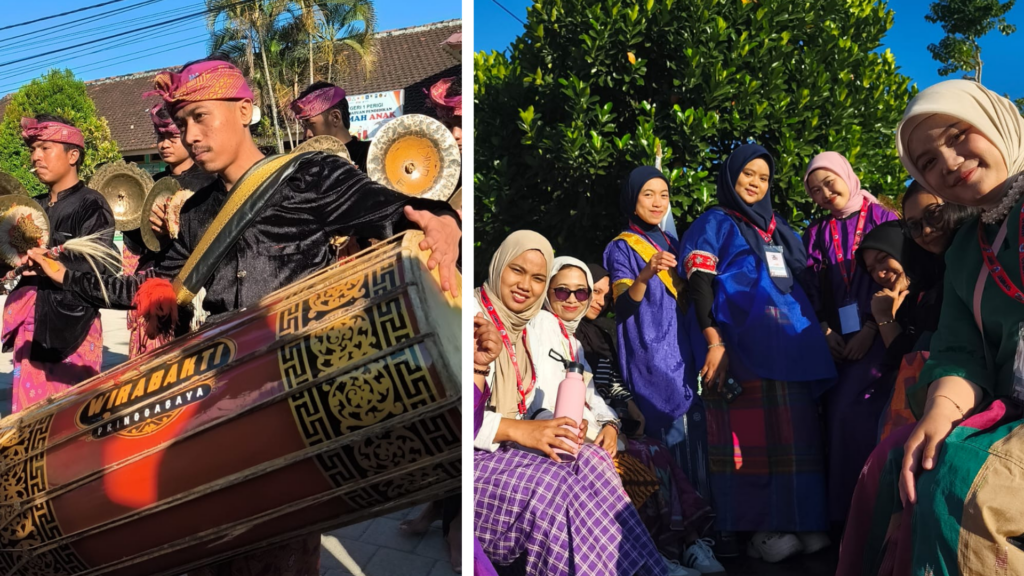
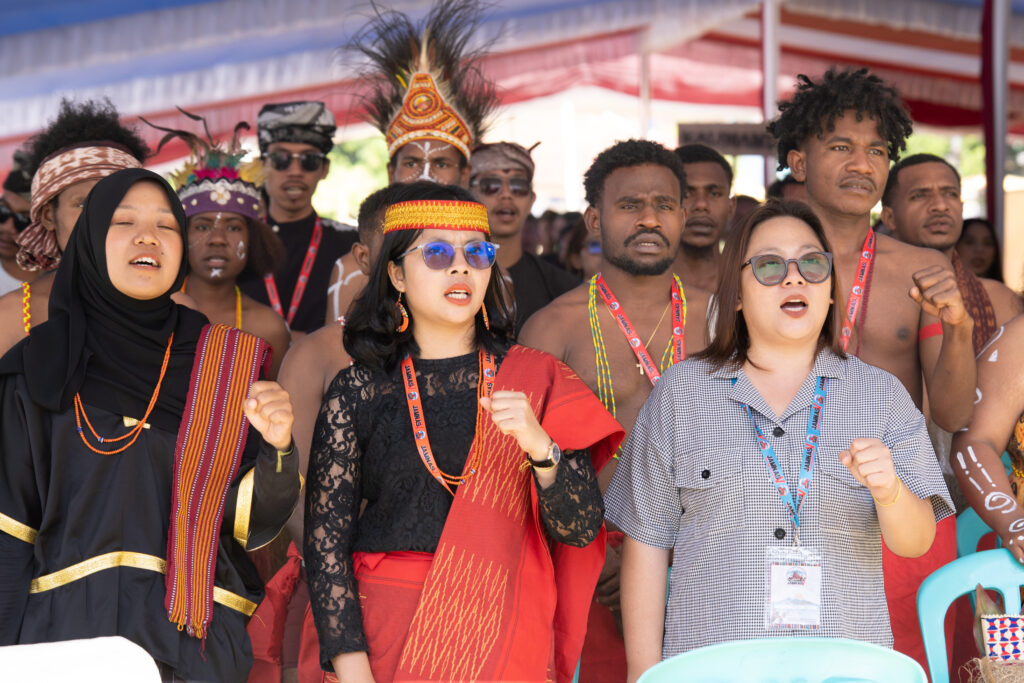
Indigenous Youth on the first day of JAMNAS V
Alejandra Salgado | TINTA, 2026
Rebuilding from Within
The past two years were never about reinstalling one leadership. They were about rebuilding BPAN together. From all across Archipelago (Indonesia), hundreds of Indigenous young leaders, regional coordinators, community organisers, elders, volunteers, and AMAN allies worked patiently to strengthen the movement from the ground up.
Together, the organisation restored its legal and institutional standing, strengthened financial and administrative systems, verified and reorganised its membership database, and expanded its organising network from 91 to 129 territorial structures, reconnecting thousands Indigenous young members. BPAN also renewed and strengthened its relationship with AMAN internally, and with civil society organisations externally, reinforcing collaboration across every level of the organisation. These achievements are the result of shared responsibility, collective leadership, and the commitment of Indigenous Youth strengthening the movement from their territories.
At the same time, BPAN invested in the next generation of Indigenous leadership through political education, law education, Indigenous schools, participatory mapping, Indigenous journalism, and collective economic initiatives, all connected through the Homecoming Movement, a political commitment to reconnect Indigenous Youth with their territories, strengthen Indigenous institutions, revitalise Indigenous knowledge, and ensure that the next generation not to be a guest in one’s own territory.
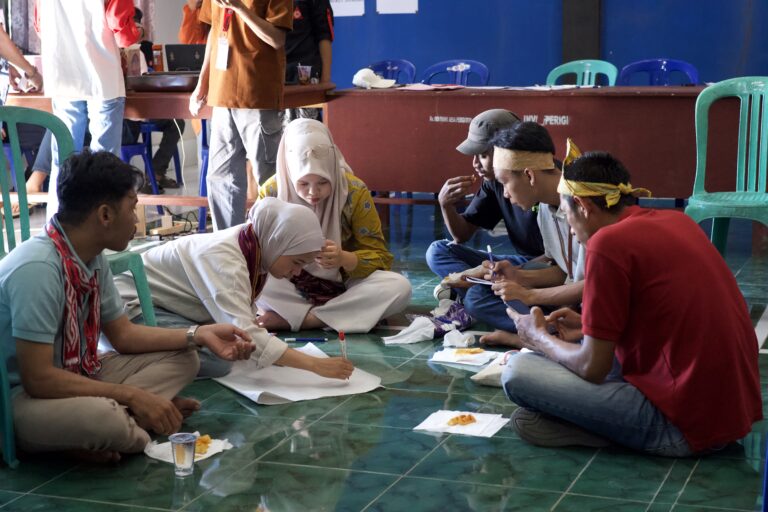
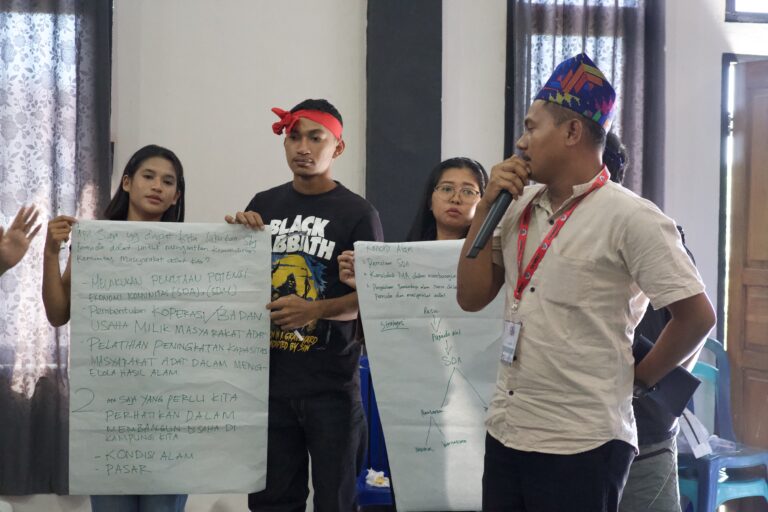
Indigenous youth delegates working together to set the priorities that will shape BPAN's path for 2026–2030.
Indigenous youth delegates working together to set the priorities that will shape BPAN's path for 2026–2030.
Indigenous youth delegates working together to set the priorities that will shape BPAN's path for 2026–2030.
Barisan Pemuda Adat Nusantara, 2026
A Mandate Carried Forward
An Indigenous Youth leader from Bengkulu, Sumatra, Hero Aprila served as Chairperson of BPAN from 2024 to 2026, while also representing BPAN in the Youth Movement of the GATC, Deputy Chair of Asia Indigenous Youth Platform (AIYP),and working as an Indigenous Peoples’ lawyer. Looking back on his mandate, he believes that organisations endure when leadership is shared, communities remain at the centre, and each generation leaves stronger foundations for the next.
Two years earlier, when his fellow entrusted him with the responsibility of serving as Chairperson of BPAN, he thought he “was accepting an organisational mandate. Looking back, I realise it became something deeper: a journey of discovering that the greatest service we can offer a movement is to strengthen shared responsibility and create the spaces for others to lead”, Hero reflects.
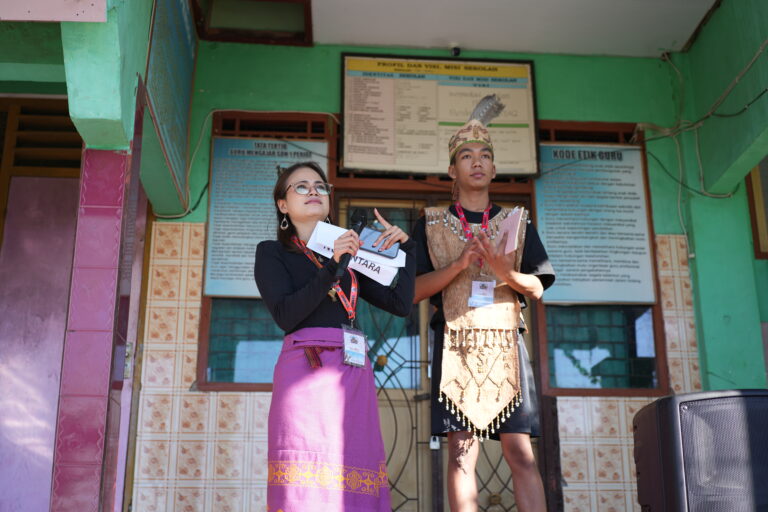
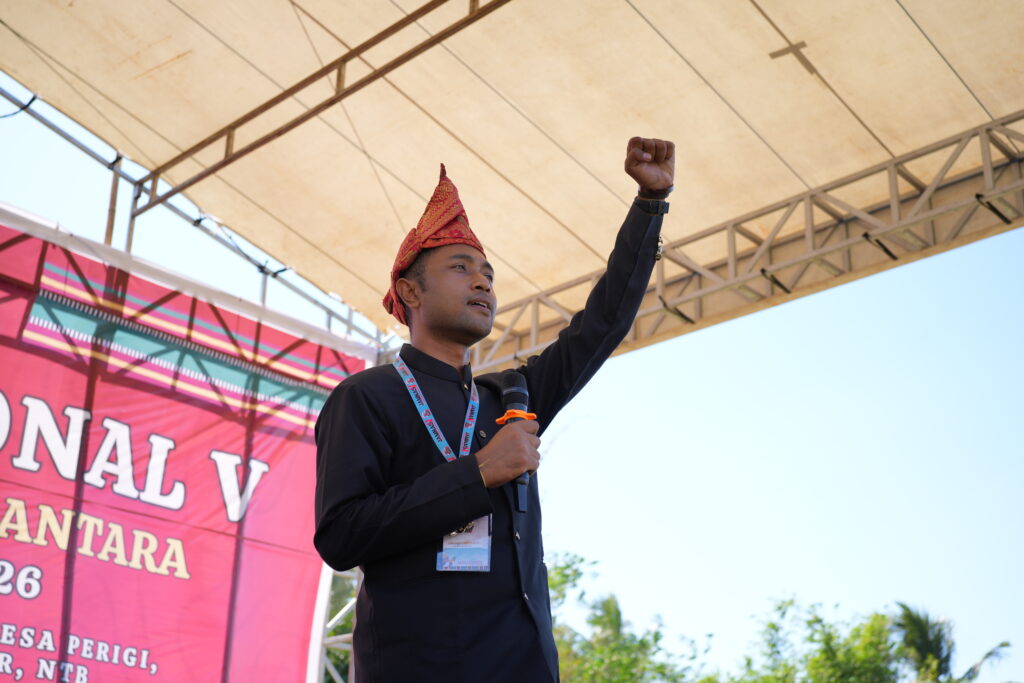
Hero Aprila speaking at the opening ceremony of JAMNAS VBPAN
Barisan Pemuda Adat Nusantara, 2026
A New Chapter Begins
JAMNAS V BPAN closed with the election of Elisabeth Simanjuntak as BPAN’s new National Chairperson, marking a new leadership stage for the movement heading into 2026-2030. For Elisabeth, Indigenous Youth bridge ancestral values and contemporary challenges — a position from which young people can now “build networks and build movements to lead the acceleration” of the long-awaited Indigenous Peoples’ law. Her priorities as incoming Chairperson are grounded in the proposals, thoughts, and expectations of young people from Indigenous communities all over the archipelago.
As a young Indigenous woman taking on the organisation’s highest leadership role, Elisabeth sees the moment as a symbol — proof, in her words, that women “are not only the custodians of culture and community life, but are also capable of being decision-makers and drivers of change.” Her message to other young Indigenous women is unambiguous: “never doubt your own capacity just because you are girls”.
Elisabeth Simanjuntak (at the centre), elected as the new National Chairperson
Barisan Pemuda Adat Nusantara, 2026
Building Collective Learning Across Territories
For TINTA, witnessing and accompanying JAMNAS V BPAN reaffirmed that Indigenous Youth movements are spaces for leadership renewal and living schools of territorial governance, collective care, and the active practice of Indigenous ways of organising — where ancestral knowledge, shared values, and innovation are woven together to strengthen communities and prepare future generations of leaders.
BPAN’s experience illustrates how long-term investment in youth leadership can strengthen not only organisations, but also the resilience of Indigenous territories and the continuity of collective struggles across generations.
Through its accompaniment to the learning and documentation process, TINTA seeks to amplify these experiences and facilitate peer learning across territories, so that the conversations and relationships built during JAMNAS V continue to inform collaboration between BPAN and other youth movements, contributing to stronger regional and global networks grounded in territorial realities and collective leadership.
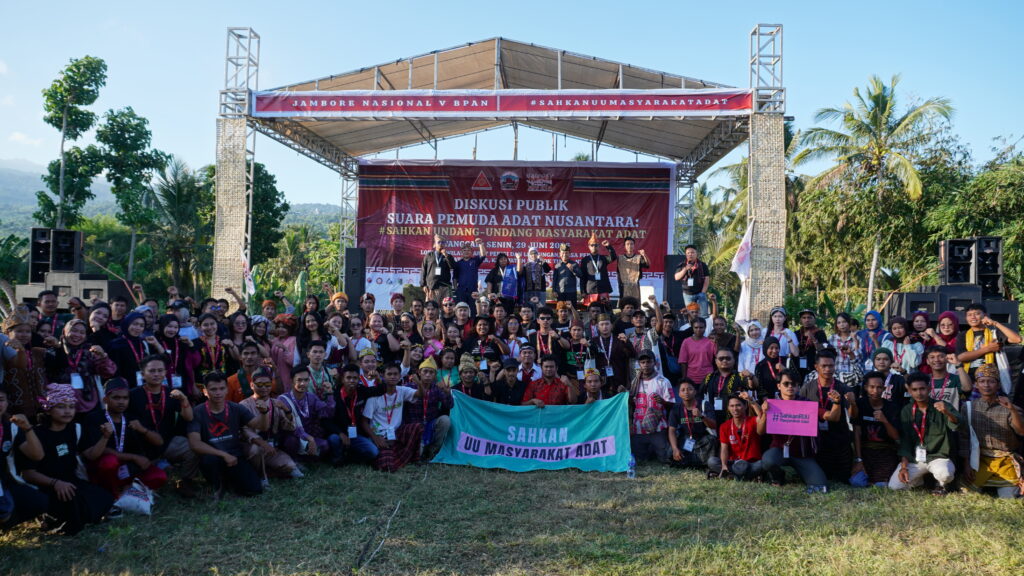
More than 500 Indigenous Youth delegates wrote, together, a new chapter for BPAN