10th March 2026

Indigenous Youth Consolidate a Global Movement From Their Territories

By Alejandra Salgado* with contributions from Yaily Castillo (AMPB) and Hero Aprila (BPAN)

In a context of increasing pressure on Indigenous territories and the criminalisation of defenders, the Youth Movement of the Global Alliance of Territorial Communities (GATC) is consolidating itself as an active political force. Its role is strategic: to connect the local with the global, amplify the voices of communities, and strengthen collective action through solidarity.

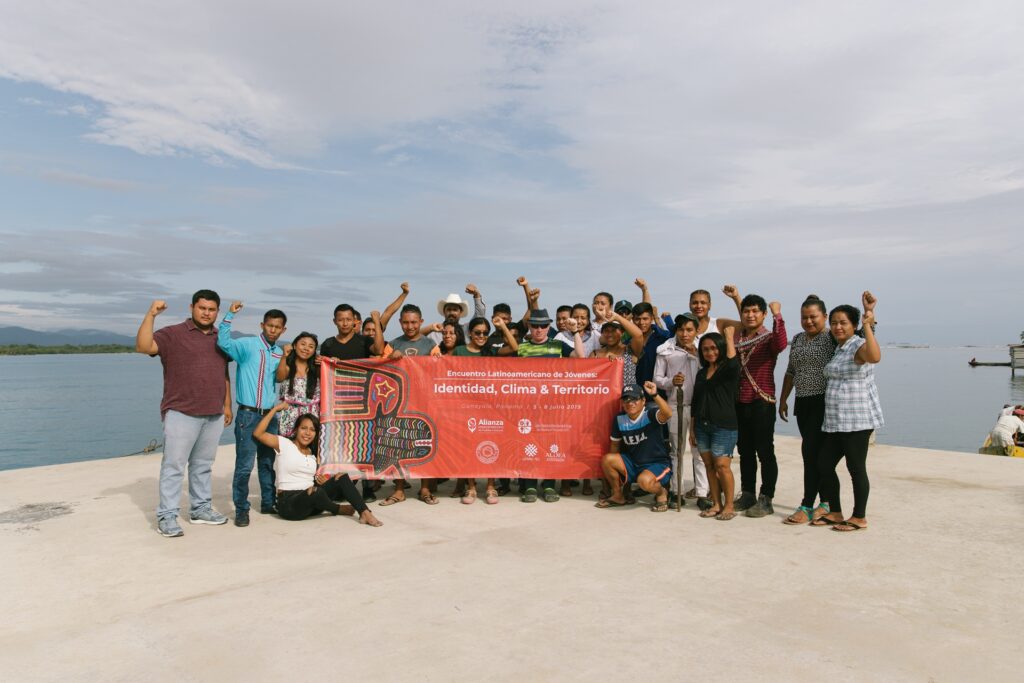
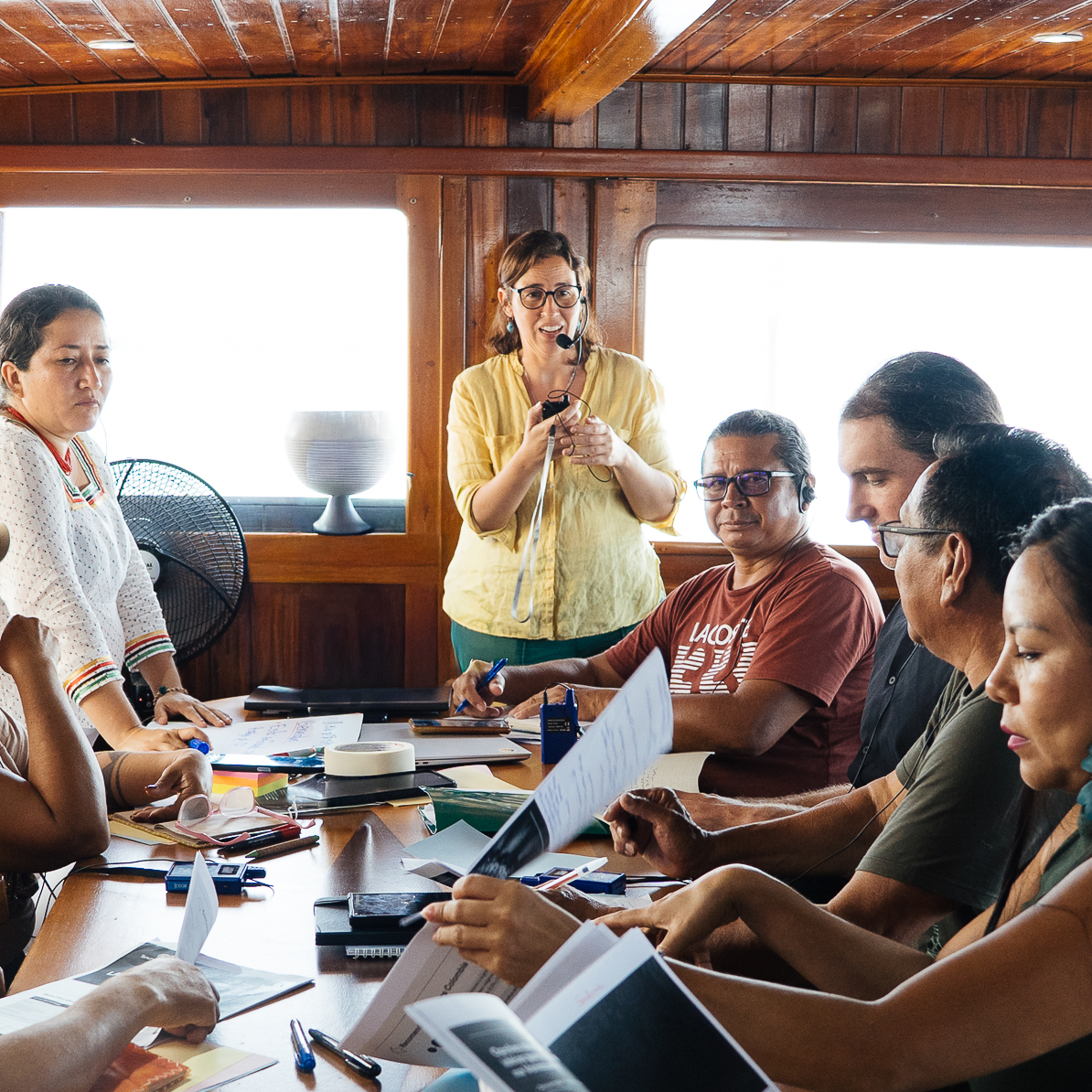
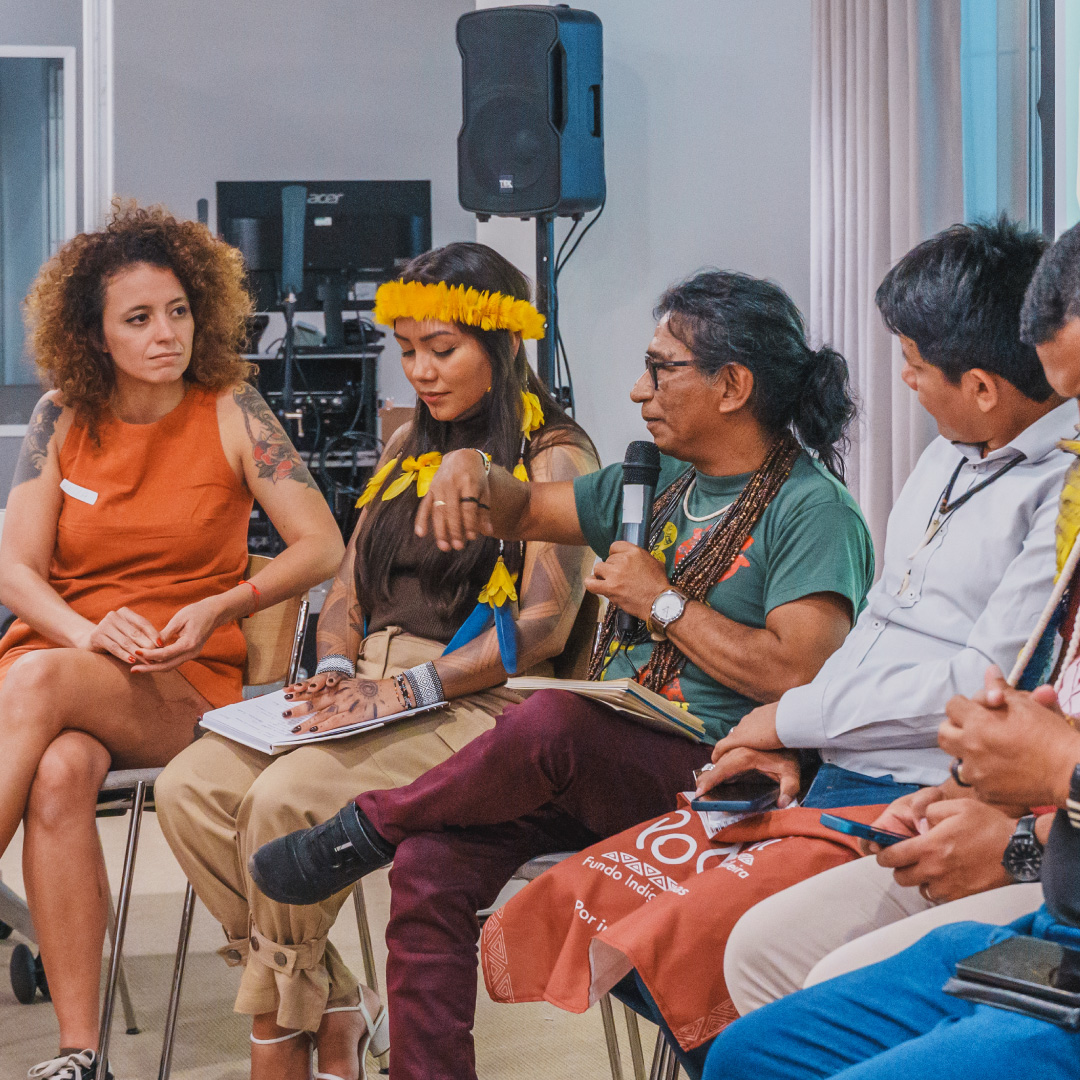
The GATC Annual Planning Meeting, held in February in Panama, marked a moment of reflection nearly ten years after the Alliance’s creation, with youth organising themselves with their own vision, demands and strategies.

“In these ten years, we can see the progress of a more mature, more robust movement, with a clearer focus on what it wants and on the role of youth within the Alliance,” says Yaily Castillo, from the youth movement of the Mesoamerican Alliance of Peoples and Forests (AMPB).

The consolidation of the movement at both global and regional levels is one of the main advances identified. What began as a fragmented presence of young people in international spaces has evolved into more structured organisational processes, such as regional coalitions, roadmaps, learning exchanges and the development of their own initiatives.

Indigenous youth territorial exchange in Kuna Yala
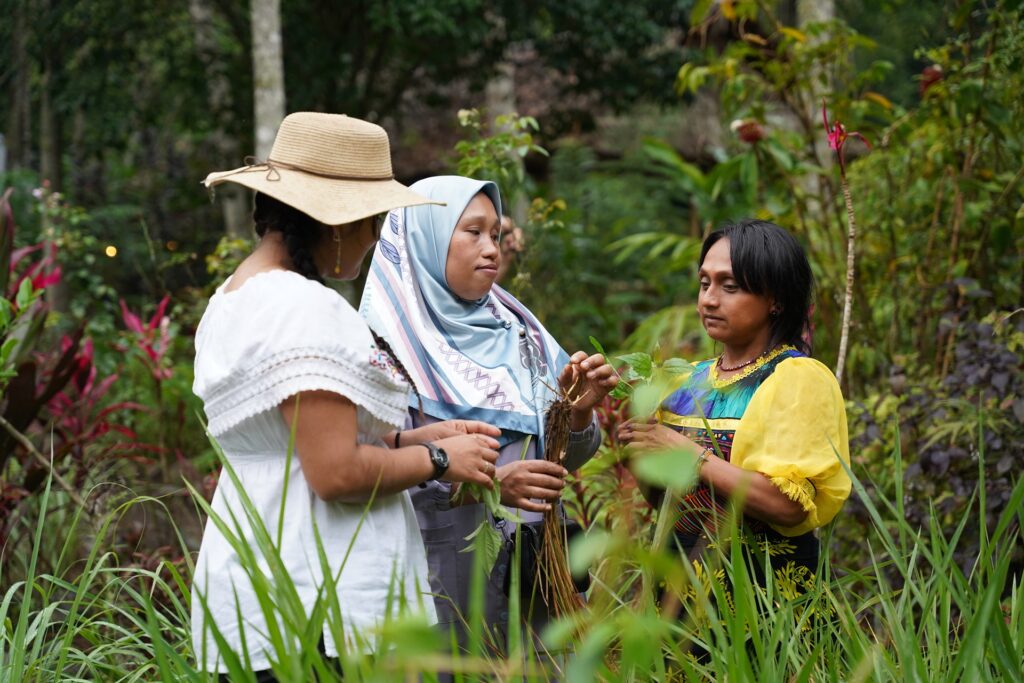
Today’s progress is the result of processes that evolve step by step.

Uneven but Sustained Progress

This strengthening has not been uniform, but it has been deeply significant and increasingly visible in territories. In 2025, each region has progressed according to its political, organisational and cultural contexts.

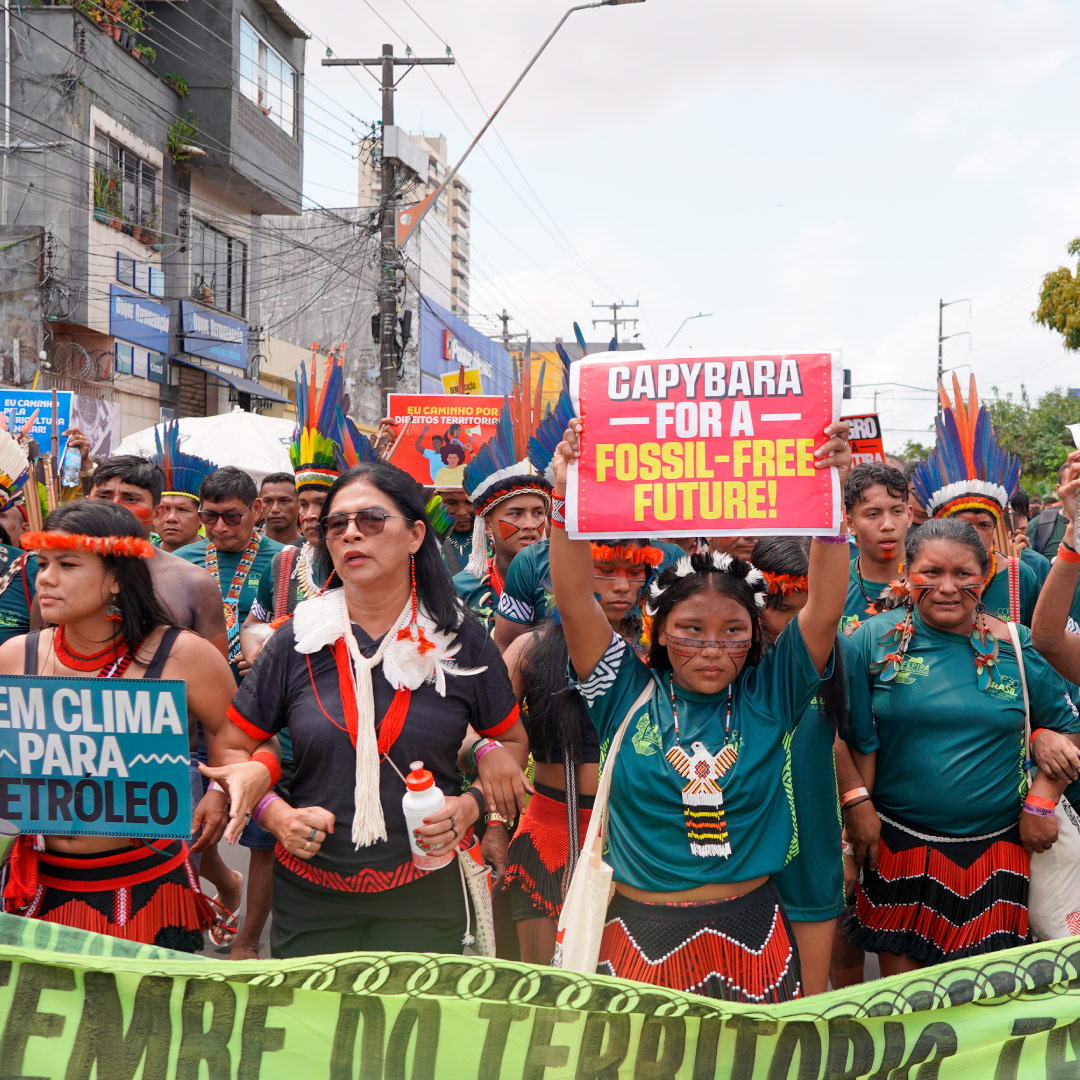
The Articulation of Indigenous Peoples of Brazil (APIB), for example, held its first youth gathering, while the Network of Indigenous and Local Populations for the Sustainable Management of Forest Ecosystems in Central Africa (REPALEAC) promoted its first space for coordination and identified shared priorities among youth in the Congo Basin.

The Coordinator of Indigenous Organisations of the Amazon River Basin (COICA) has been advancing the strengthening of its youth coordination towards key processes, such as its 2027 Congress, while AMPB has driven concrete initiatives, including the first regional youth camp and the Mesoamerican School of Leadership, consolidating its own territorial training efforts.

In Indonesia, the Indigenous Youth Front of the Indonesian Archipelago (BPAN according to its Indonesian acronym) stands out as a reference point due to its organisational trajectory. Its experience includes initiatives such as the Homecoming movement, aimed at reversing the migration of Indigenous youth, and regional coordination across Southeast Asia.

These processes demonstrate a clear trend towards the organisational strengthening of youth, in which the strength of the global movement grows from the solidity, organisation and vitality of its territorial and regional bases.

The support of allies has been essential along this path. TINTA has played a consistent role in facilitating both virtual and in-person exchange, promoting learning processes and spaces for coordination among youth from different regions, helping to weave the network that has now taken on a life of its own.

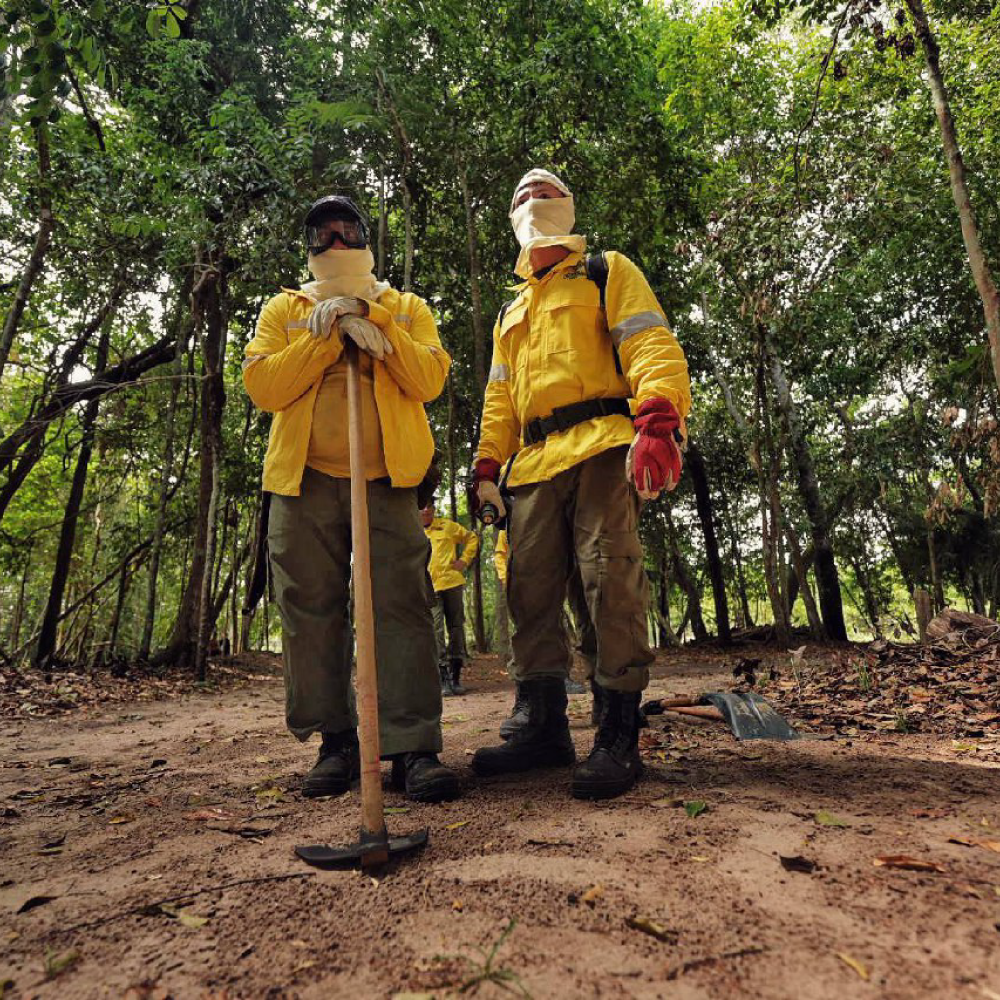
The Mesoamerican School of Leadership has been investing in strengthening youth since 2017.

Structural Challenges

However, significant challenges remain. One of the main issues is the diversity of realities across regions, which requires differentiated approaches and methodologies adapted to contexts where, for example, access to resources such as the internet and other digital technologies varies considerably. It is also necessary to strengthen technical capacities, improve mechanisms to bridge territorial realities with global action, and secure dedicated funding for youth.

Another central challenge is the recognition of the role of youth within their own organisations, as perceptions that limit their participation still persist. In response, youth have developed stronger strategies for advocacy, communication and positioning, such as producing documents, proposals and agendas to sustain their demands in decision-making spaces.

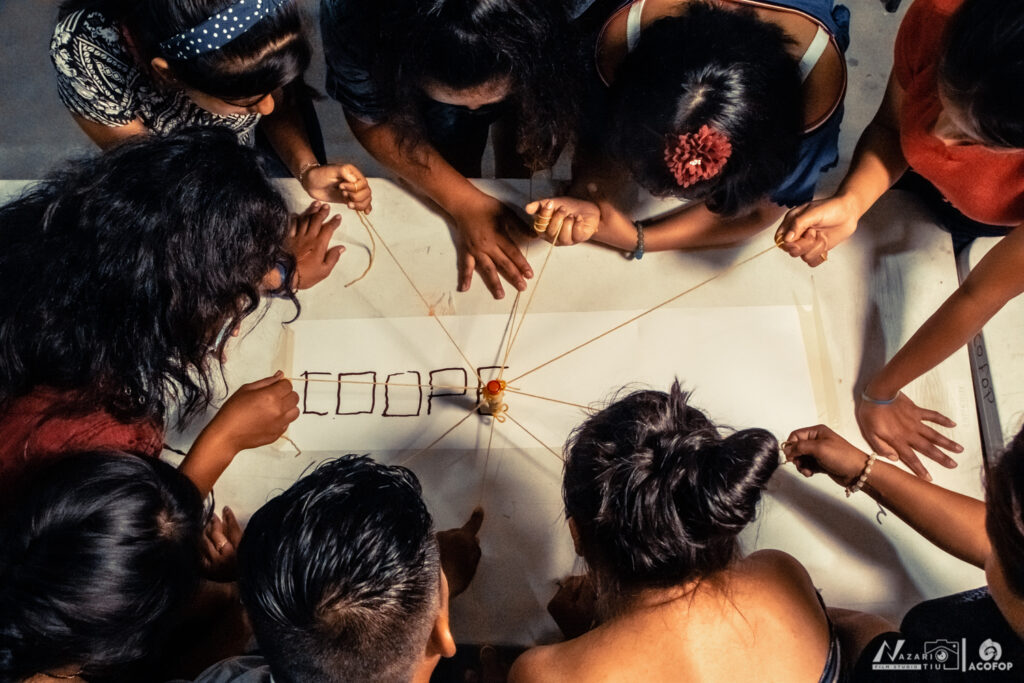
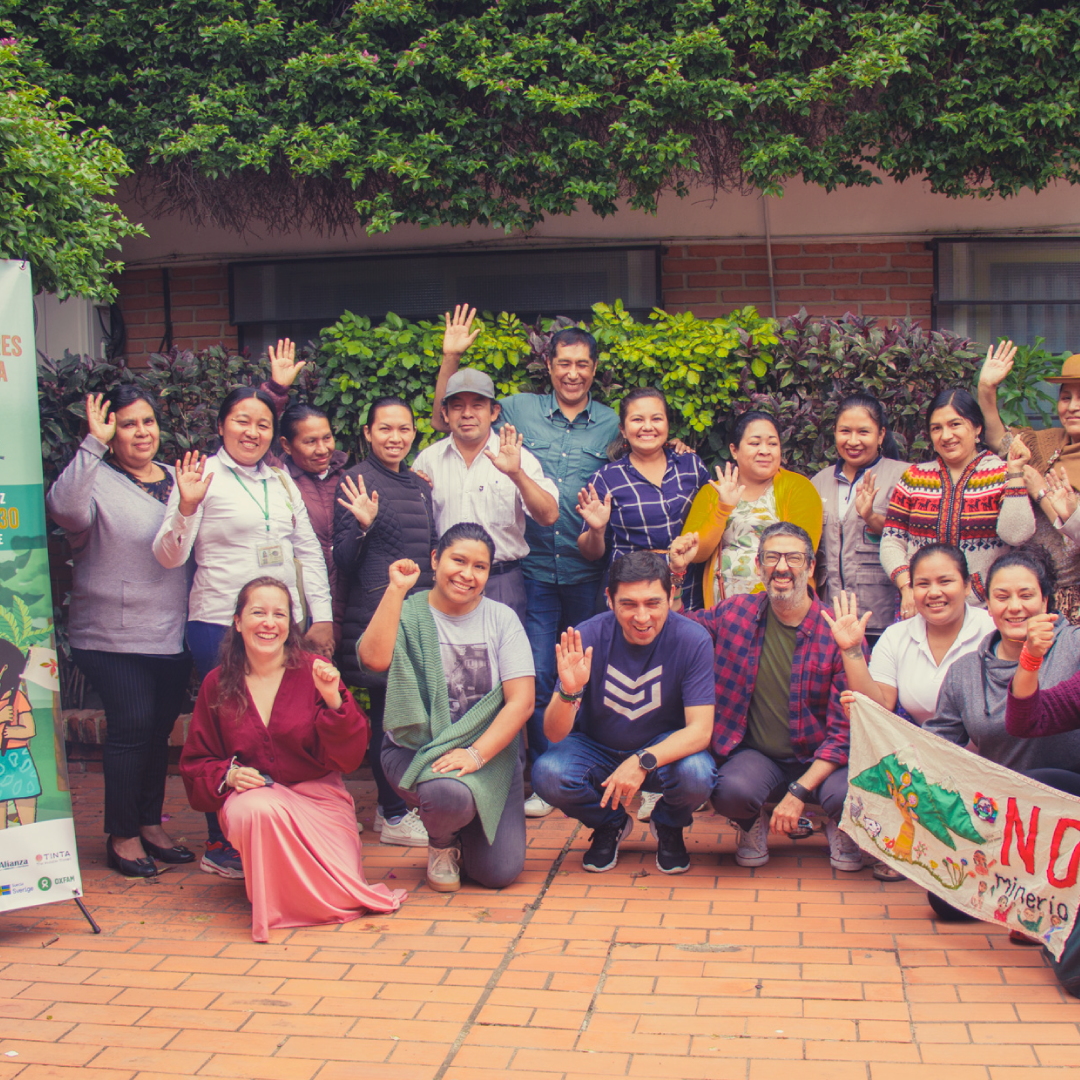
Indigenous youth come together, global movement
When youth come together, territories enter into dialogue and the global movement gets stronger.

Above all, the meeting held last February reaffirmed that youth work is a structural dimension of the continuity of the territorial movement. Through generational renewal, strengthening of grassroots bases and the development of new leadership, the possibilities expand for sustaining territorial governance and the community institutions that protect territories and biodiversity. 

As Hero Aprila, chairman of BPAN, puts it: “Young people must focus on caring for their communities and territories. Because that is where the problems begin. If those voices do not reach the global level, they will not be heard.”

“We cannot allow the criminalisation and invasion of territories to occur in isolation. We must remain united to defend the rights of Indigenous Peoples and of new generations" he adds.

While the challenges facing the GATC Youth Movement highlight the complexity of building a truly global movement rooted in territorial realities, the progress reflects a generation that seeks not only to participate, but to sustain, renew and project the future of their peoples and territories.

What is at stake is the very continuity of the systems of life that sustain some of the most biodiverse territories on the planet. And along this path, youth are already setting the course.

Alejandra Salgado is TINTA’s Learning and Collaboration Programme Officer.

Recommended blogs