December 15, 2025

By Tamara Lasheras, Knowledge & Communities Officer
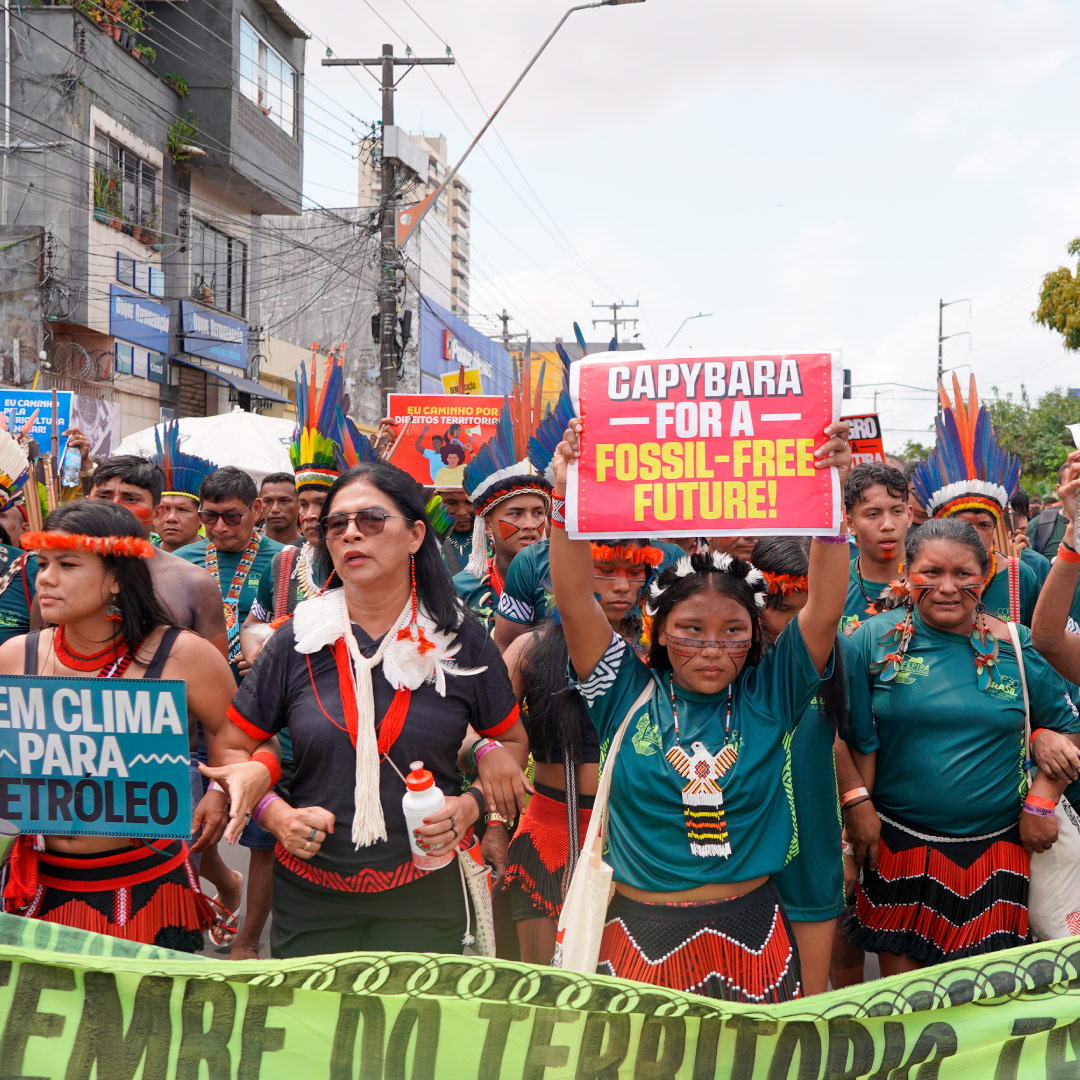
In a year marked by political tensions, urgent climate goals, and global calls to transform the architecture of climate finance, the coordinated and strategic presence of Indigenous Peoples and local communities stood out powerfully at COP30, the climate summit held in Belém last November. Their presence was not spontaneous—it was the result of years of organizing, learning, and collective strengthening, a process that gained momentum after COP26 in Glasgow.
Yet this ability to influence contrasts with a persistent reality. Although Indigenous and territorial organizations play a central role in protecting forests, biodiversity, and climate stability, they continue to receive only a minimal fraction of resources directly. According to the Shandia Annual Report 2024, between 2021 and 2024 direct financing also remained low—between 2% and 10%, with an annual average below 8%—despite some progress among philanthropic donors, whose support rose from 3.8% to 34%. Bilateral donors, on the other hand, decreased from 4% to 1.6% in the same period.
At the heart of this challenge lies the need to strengthen territorial funds—mechanisms led by territorial organizations that, with sound structures, good governance, and established capacities, provide a clear pathway for resources to reach those who safeguard their territories.
To make these funds more effective, scalable, and trusted, it is essential to create spaces for learning, exchange, and collaboration that allow for sharing experiences, comparing approaches, and solving common challenges. This is why learning communities are one of the most powerful tools: they sustain long-term exchange and turn it into real capacities. Their role is decisive—they facilitate the sharing of solutions and replication of innovations, making territorial funds increasingly sustainable and aligned with local priorities.
With this context in mind, and with the aim of strengthening territorial organizations, TINTA promotes learning communities as a strategic and practical way to deepen collective capacities, share solutions, and advance in a coordinated manner through its Learning and Collaboration Program. Since 2024, this approach has become one of our main lines of work under the Learning Route on Finance, Economic Initiatives, and Innovation, supporting territorial processes seeking to influence global spaces more effectively for fairer and more direct access to funding.
Learning communities, from TINTA’s perspective, are continuous, structured, and collaborative spaces where actors with a common goal—in this case, advancing direct financing and strengthening self-governance—can exchange knowledge and experiences, reflect collectively, build capacities, and develop shared solutions and strategies to address territorial, national, and international challenges. They are not isolated technical spaces; they are political, pedagogical, and strategic processes that reinforce local governance and amplify the voices of Indigenous and community organizations in global forums.
Learning communities are key to strengthening territorial funds because they:
The Shandia Learning Community was created with the technical support of TINTA’s Learning and Collaboration Program to strengthen the exchange and learning efforts of the Shandia Platform of the Global Alliance of Territorial Communities (GATC). It is a permanent space for territorial funds led by Indigenous Peoples and local communities to learn collectively, strengthen capacities, develop practical tools, and build common strategies to advance direct and sustainable financing.
Drawing from its experience, TINTA has supported the design and implementation of this community with a focus on participatory methodologies, facilitation, systematization, and collaborative development of practical tools for these funds.
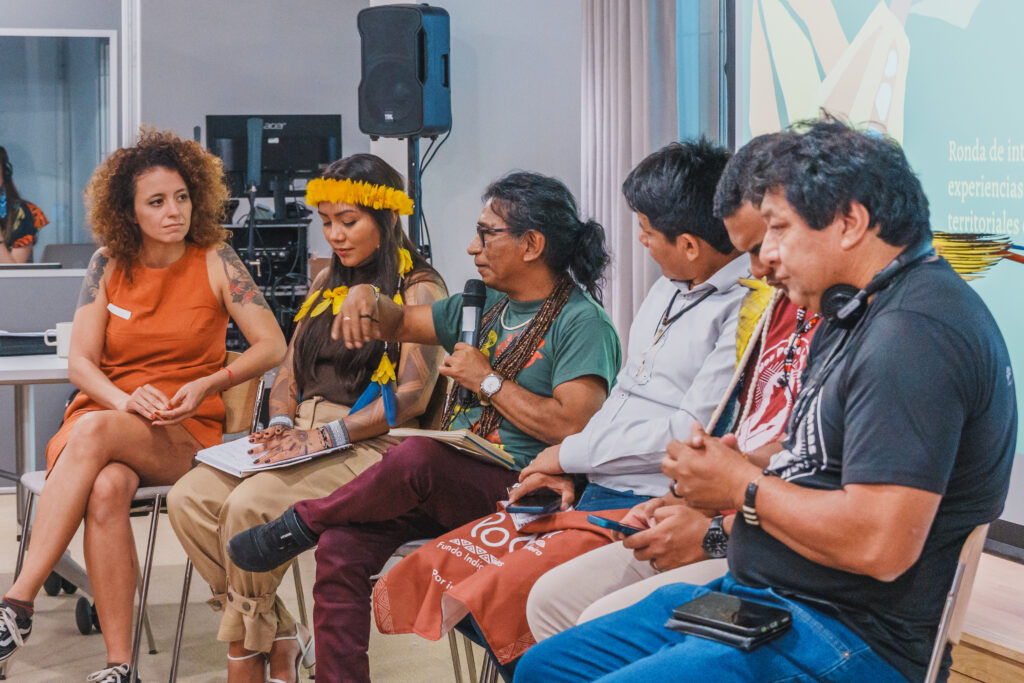
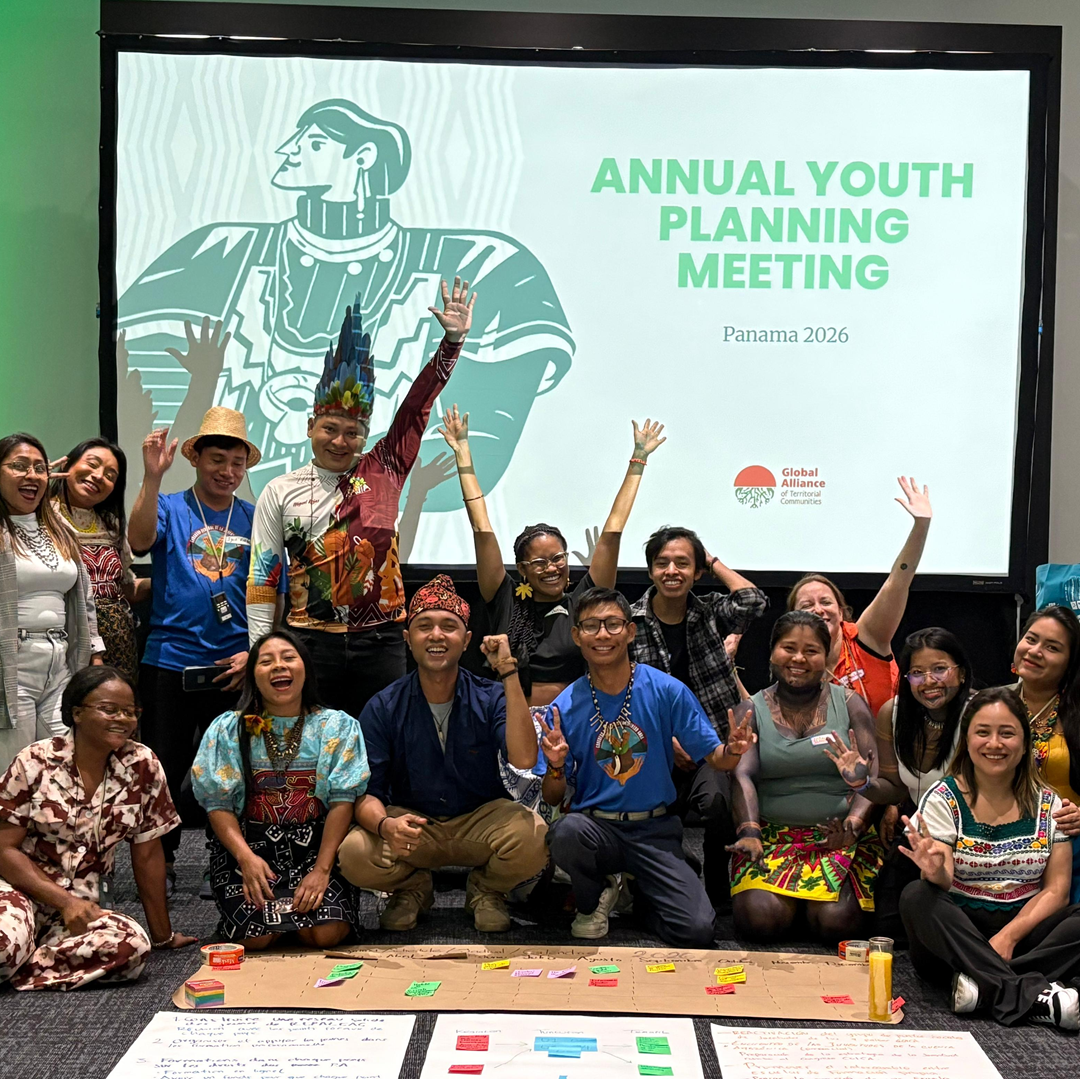
In 2025, this process grew into a global exchange space. Since March, the Community has held in-person meetings, interviews, and participatory methods that helped define its structure and priorities. This journey included key milestones: an international gathering with nearly 200 participants at the First Congress of Indigenous Peoples and Local Communities of Forest Basins in Brazzaville (Republic of Congo), its official launch during London Climate Action Week, and two virtual sessions—on financial sustainability and the road to Belém—that brought together initiatives such as the Mesoamerican Territorial Fund, Timbira, Podáali, Jaguatá, and Ruti. All of this strengthened cross-regional collaboration and enabled the Community to arrive at COP30 more unified in its collective advocacy.
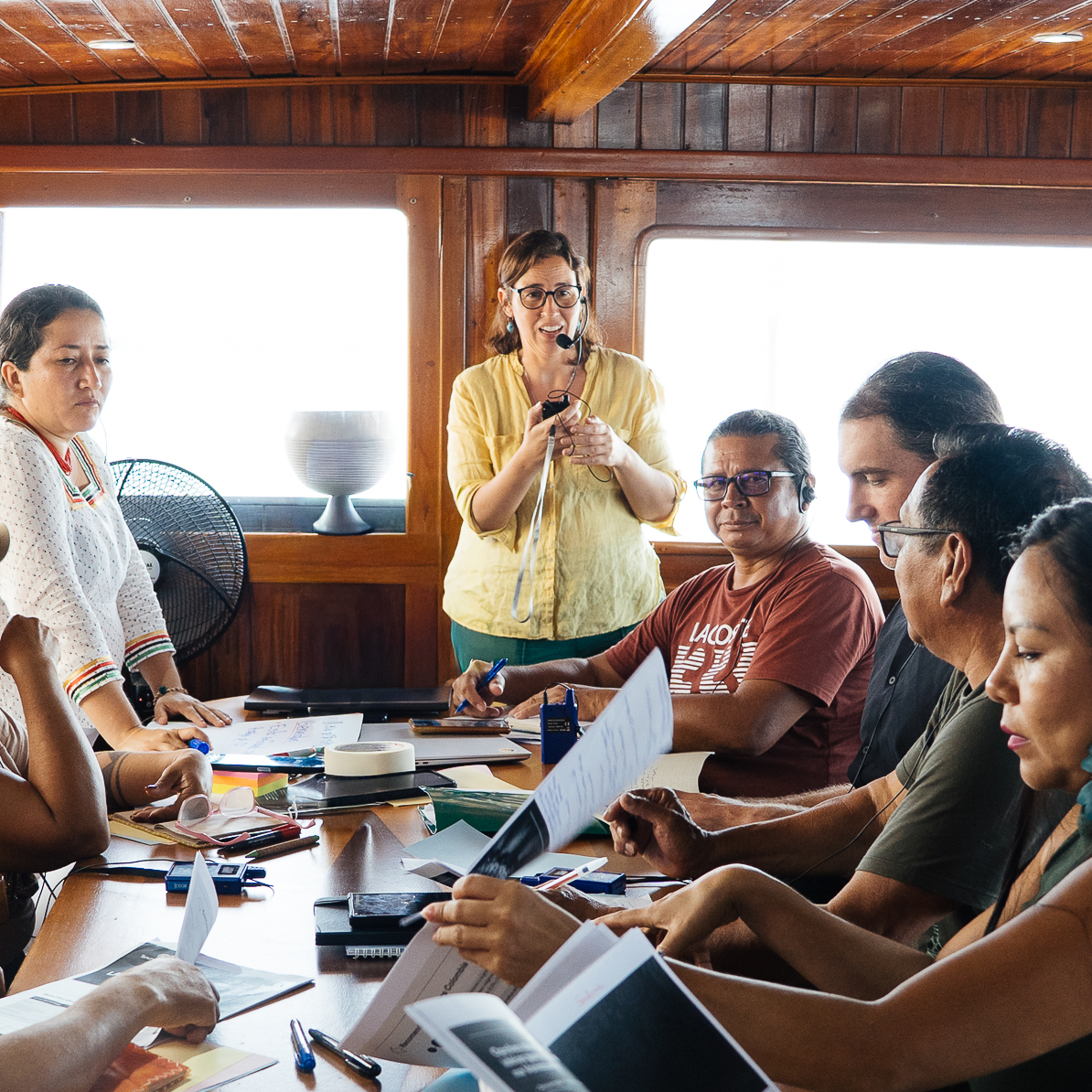
During COP30, this preparatory work translated into concrete action. At the Shandia Forum, the Learning Community held a practical session to strengthen territorial funds in the face of inequalities in access to finance. Through collaborative methodologies, the session aimed to: improve the ability to mobilize resources through solid, territory-aligned proposals; strengthen communication strategies with clear and culturally rooted narratives; and prepare participants for GATC-led activities such as the “Speed Dating” between funds and donors, where proposals were presented and connections formed for future collaboration.
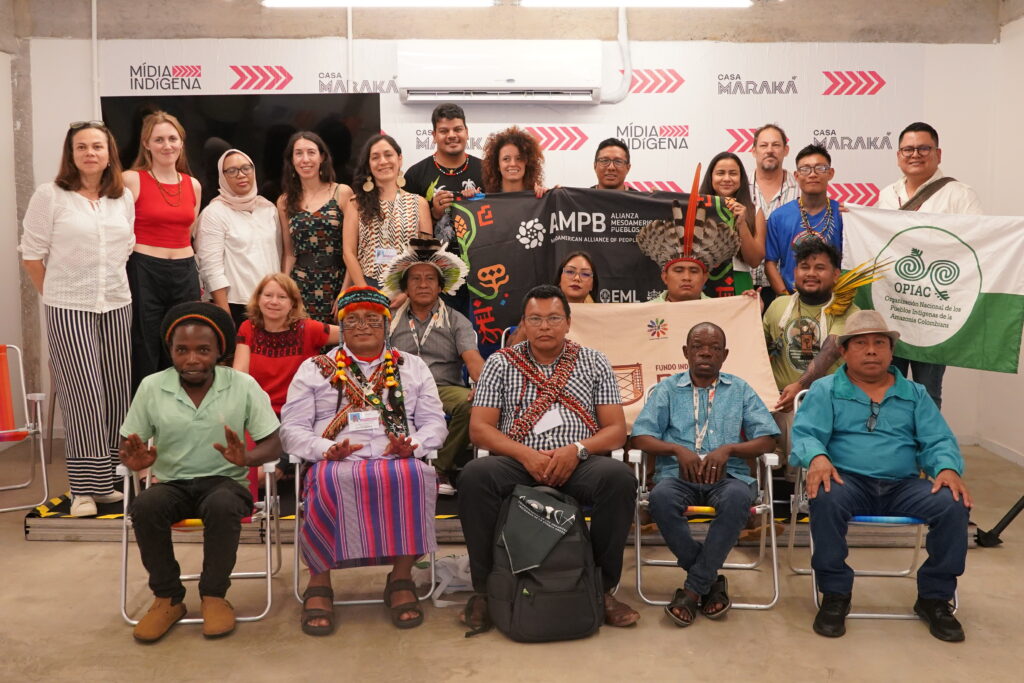
The value of learning communities goes beyond accessing resources. They strengthen relationships and coordination, transform collective capacities, reinforce territorial governance, and consolidate decision-making from within Indigenous and community organizations.
Investing in these spaces is essential for direct financing to work. It means recognizing Indigenous Peoples and local communities as key actors with their own systems, knowledge, rights, and capacities to lead conservation and development.
In this way, learning communities become the bridge that turns promises into practice, commitments into concrete pathways, and resources into tangible impacts that align with territorial visions.