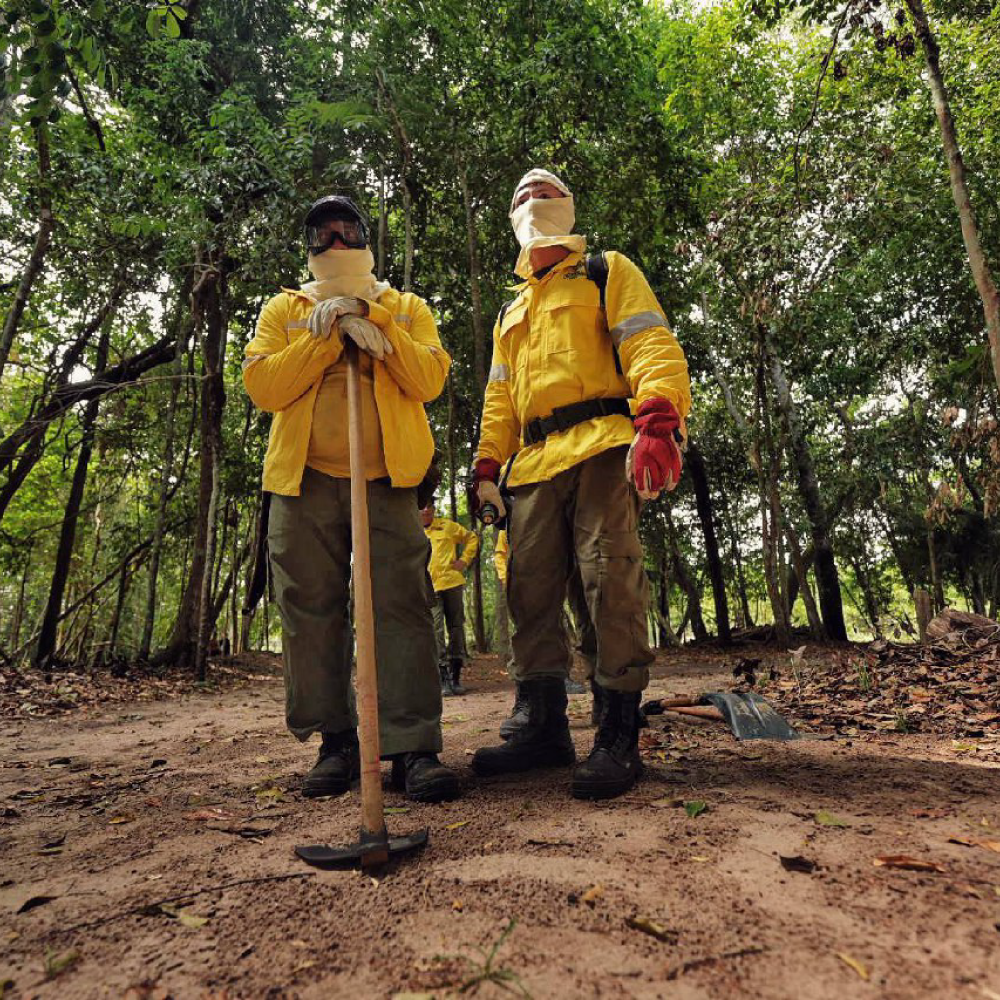
Indigenous women are on the frontlines of the major impacts affecting our territories. When rivers are polluted, when forests are cleared, when agrochemicals sicken the land and poison our food systems, the violence we experience is physical, territorial, spiritual, cultural, and economic.
Even so, we continue to sustain the practices passed down by our grandmothers—practices that guarantee our food sovereignty, traditional medicine, and the continuity of our ways of life. We are caretakers of Mother Earth, guardians of ancestral knowledge, and holders of solutions that have proven effective in the face of the climate crisis.
For us, defending and sustaining life remains a long and painful path—but this must change. This is not a call only for ourselves, but for all life on the planet.
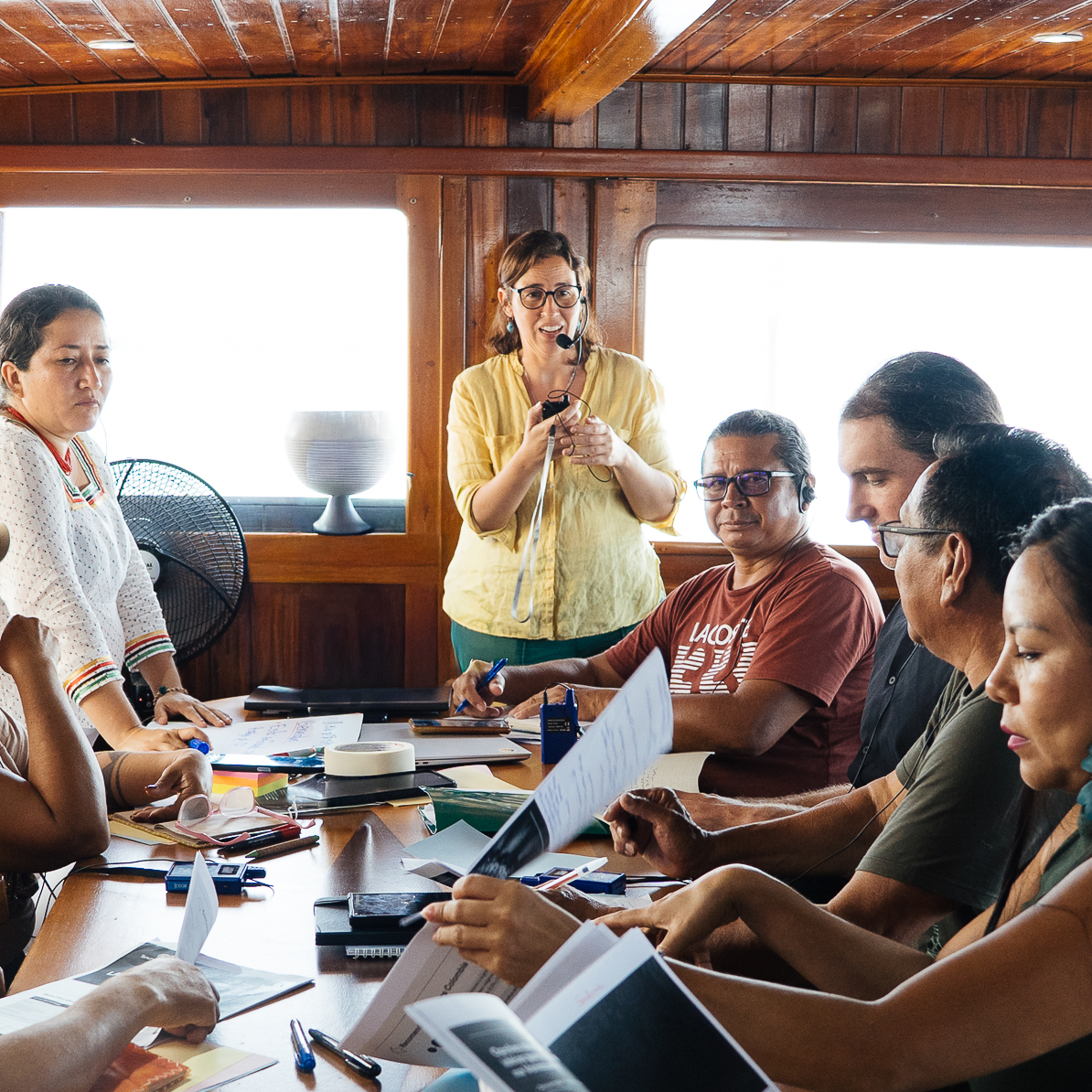
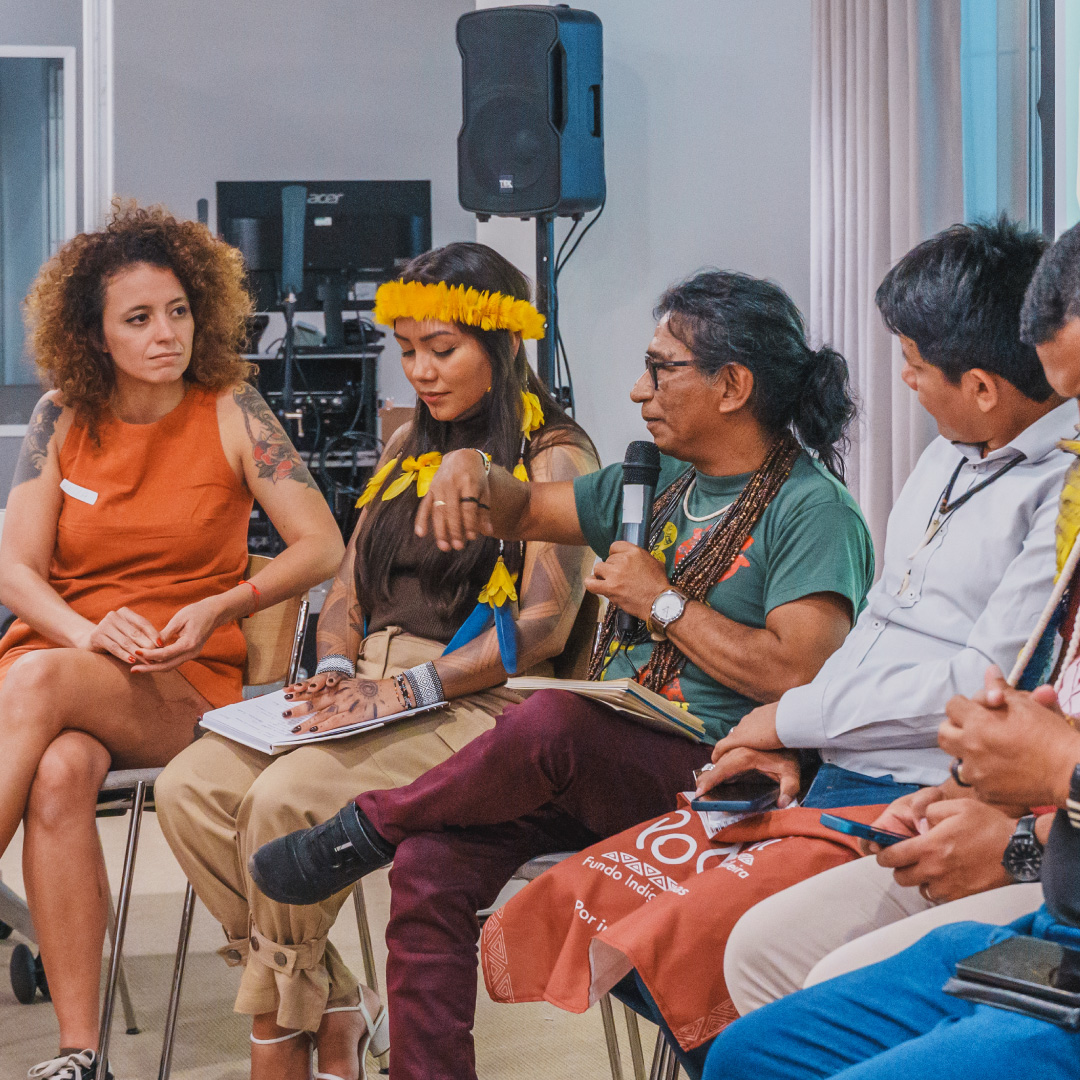
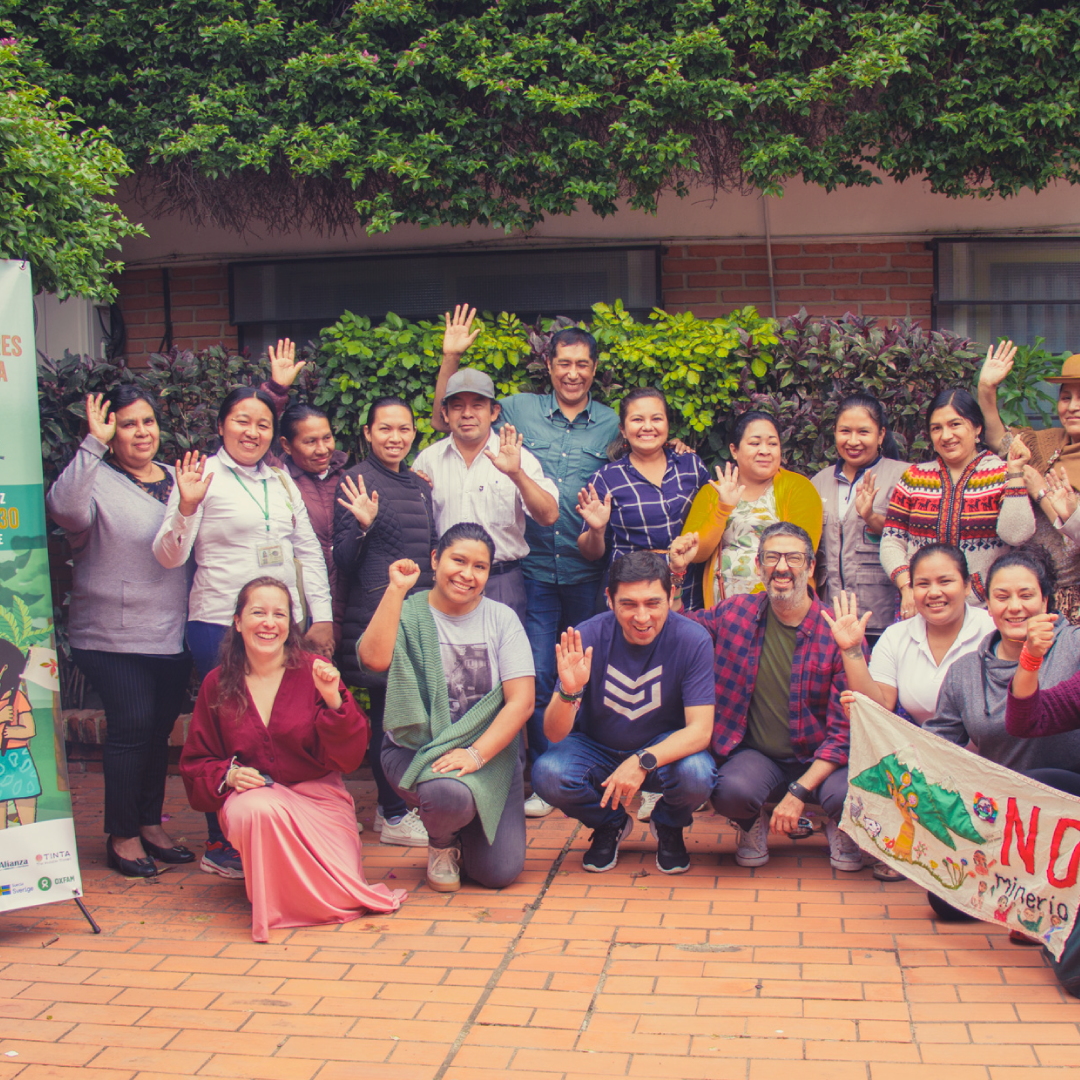
At the end of last December, the webinar “Indigenous Women’s Land Rights: Key Challenges and Pathways Forward” brought together Indigenous women leaders from Latin America, the Congo Basin, and Indonesia to discuss these and other challenges, as well as pathways to advance and defend our territorial rights.
One of the most urgent challenges we continue to highlight is access to direct financing. Indigenous women remain excluded from the mechanisms that distribute resources intended to address the climate crisis. This exclusion deepens inequalities in our territories and limits our ability to protect them. Access to direct financing is essential to strengthen our economies and our own initiatives, allowing us to continue protecting our Mother Earth.
We also need to participate fully and effectively in the governance of our territories and their resources, strengthen our leadership, and put an end to all forms of violence. Recognizing the fundamental role of Indigenous women in territories and in the economy is a pathway to improving our living conditions, because we are the ones who sustain the balance of our families and ensure the well-being of our communities.
Likewise, it is critical that Indigenous women stop being treated as a “thematic agenda.” We are rights holders, and this recognition must translate into concrete actions that remove the barriers we face: guaranteeing equitable access to direct financing, strengthening our own economic processes, and ensuring that our perspectives are integrated into climate policies if we truly seek climate justice for our territories.
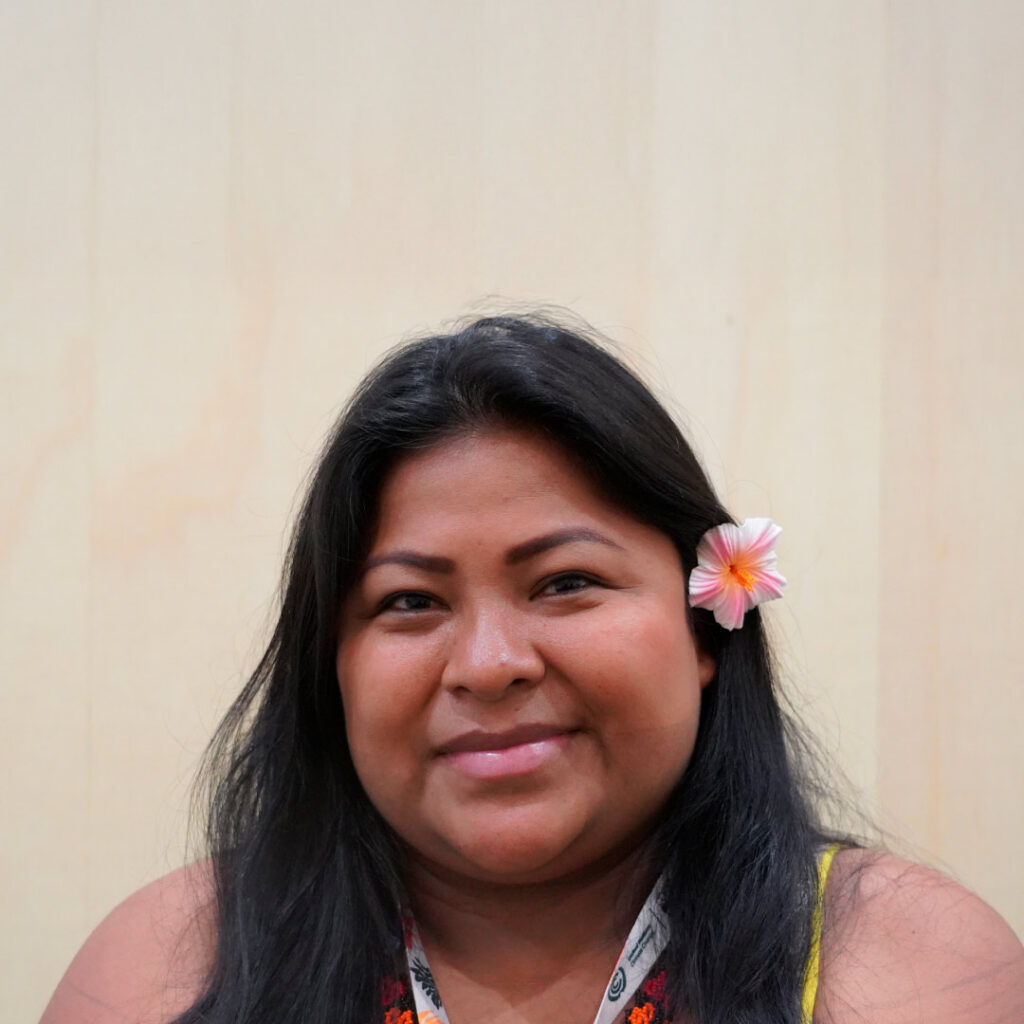
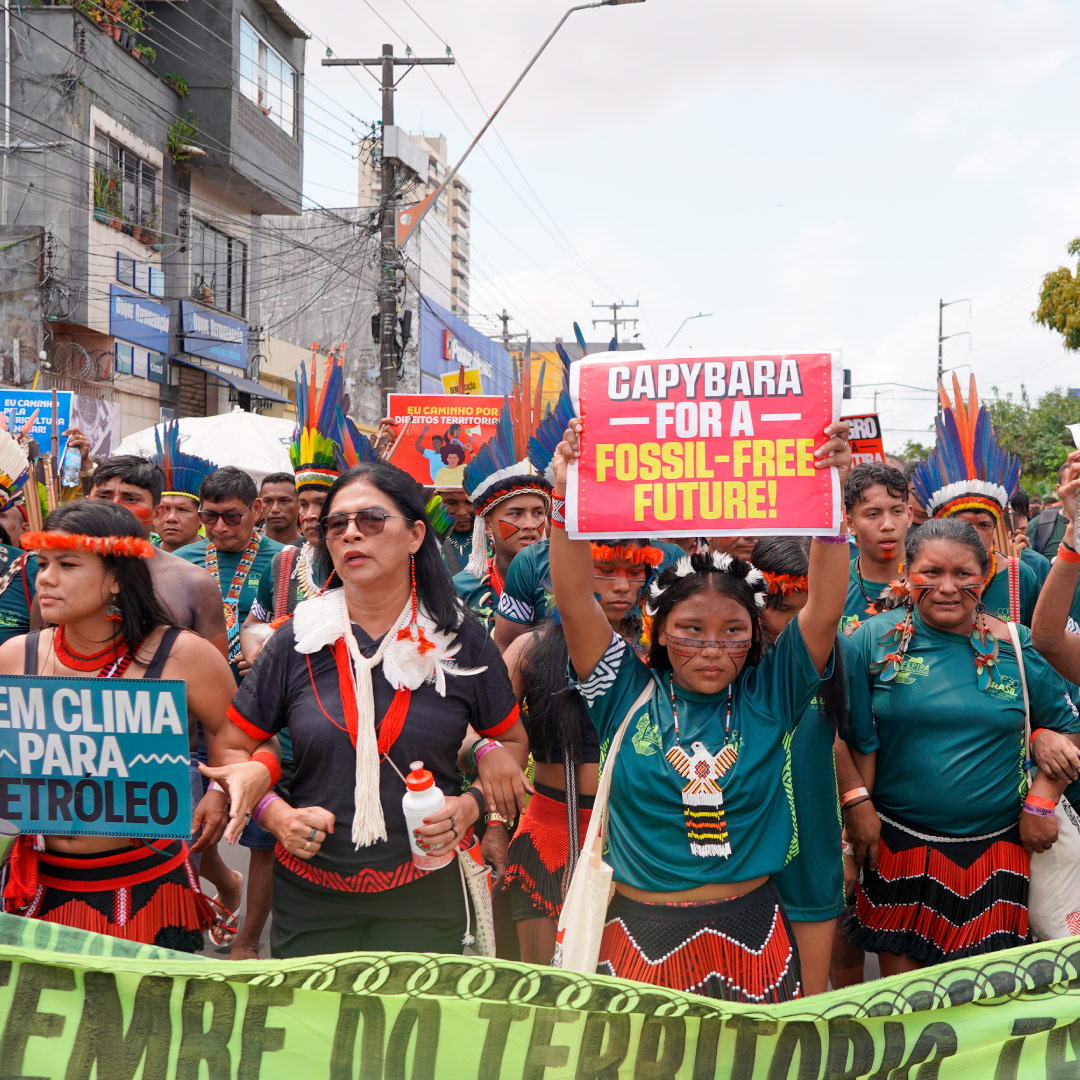
As an Indigenous woman from the Emberá people of Panama, I raised my voice at COP30, and I will continue to do so at every opportunity, driven by a deep conviction: our voices must be fully heard in the spaces where the future of the planet is decided. It is unjust that our contributions and concrete actions to address the climate crisis have yet to be fully recognized. There must be a real commitment. That is why I signed the Indigenous Women’s Pact for Life in Belém.
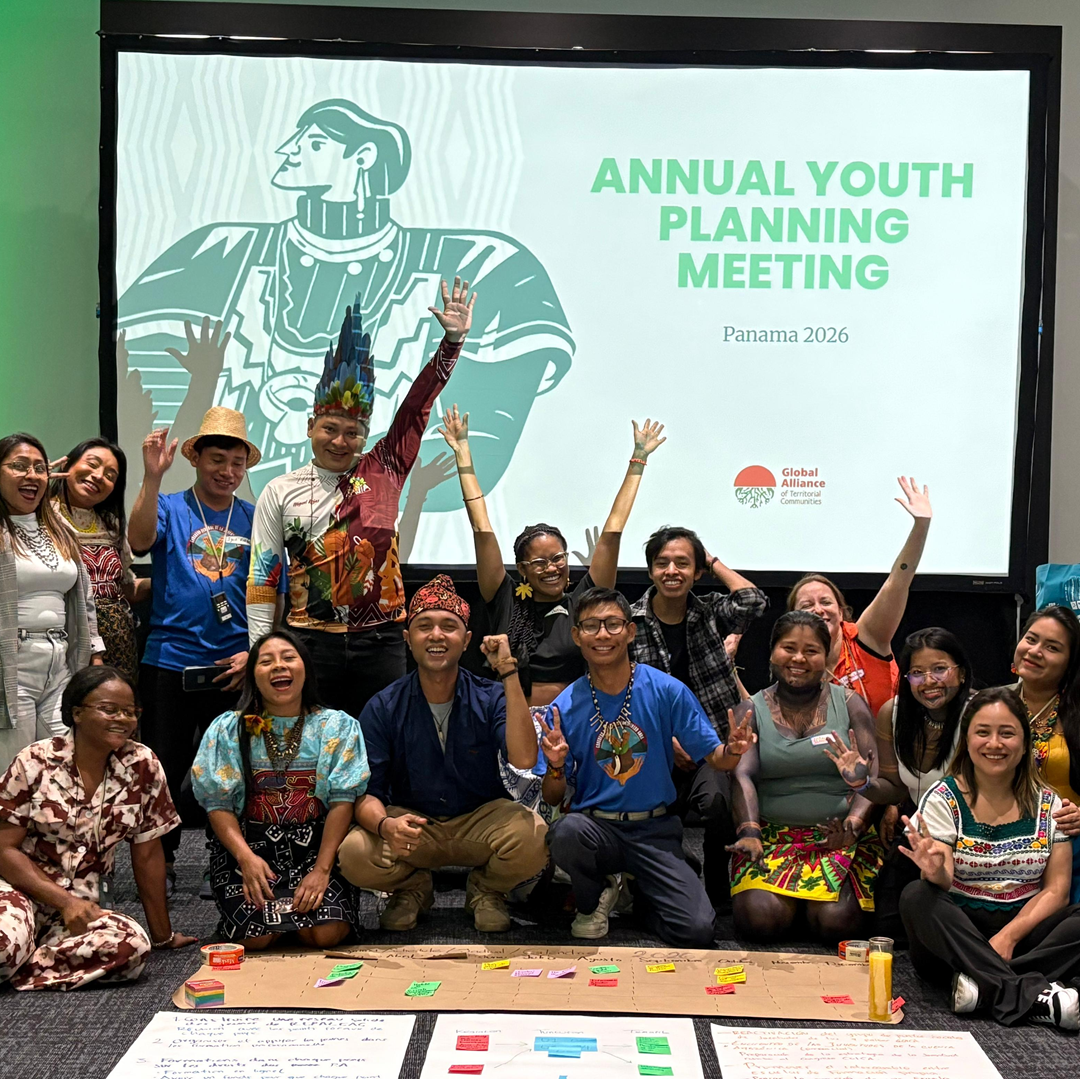
We must move from words to action, working hand in hand and in coordination with Indigenous Peoples, Afro-descendant peoples, and local communities—alongside women and youth—when decisions are made. Only in this way can we protect our Mother Earth and ensure a future with justice and dignity for all forms of life.
*Sara Omi, from the Emberá people of Panama, is President of the Mesoamerican Coordination of Territorial Women Leaders and Co-lead of the Women’s Movement of the Global Alliance of Territorial Communities.