23 July 2026

By Marcelo Borges Doroso, Global Engagement Project Manager
During the People of the Ocean Dialogue at the 11th Our Ocean Conference (OOC11) in Mombasa, Kenya, Maurice Ssebisubi, representing the African Women Fish Processors and Traders Network (AWFISHNET), held up a simple net needle.
Reflecting on stewardship, he reminded participants that caring for the ocean is defined by “the patience to keep mending the nets, the knowledge, the relationships and the trust.”
It was a simple yet powerful metaphor. In many ways, it captured the spirit of the gathering. Building stronger ocean governance requires patiently strengthening relationships between communities, organisations and regions, weaving together experiences into collective action.
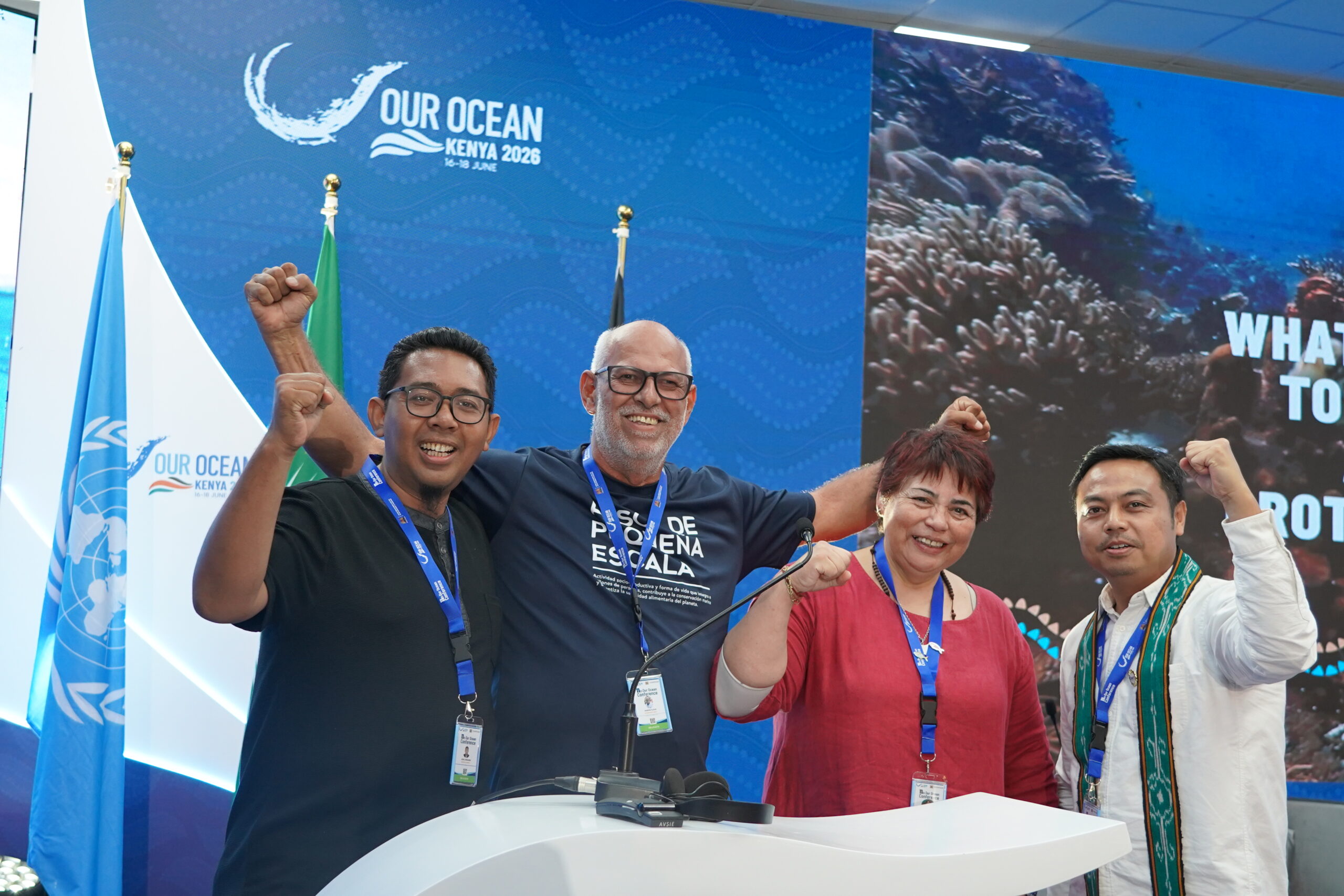
That may well be the most important legacy of Mombasa. Throughout the week, it became clear that small-scale fishing communities are no longer engaging in global processes as isolated organisations, but are now speaking as a coordinated movement with a shared political agenda.
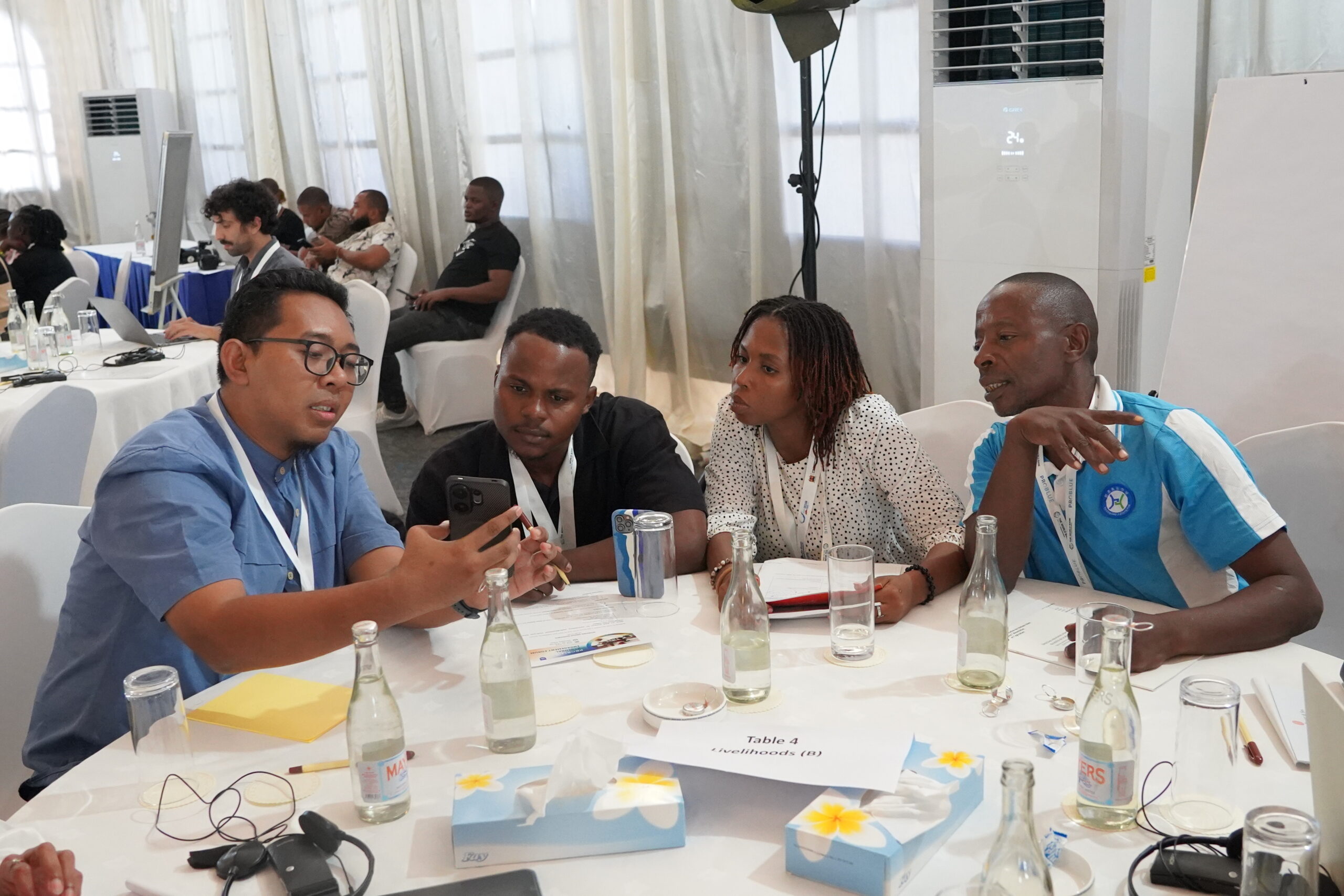
The Conference began around tables where representatives from small-scale fishing communities across Africa, Southeast Asia and Latin America gathered for the RISE UP working session.
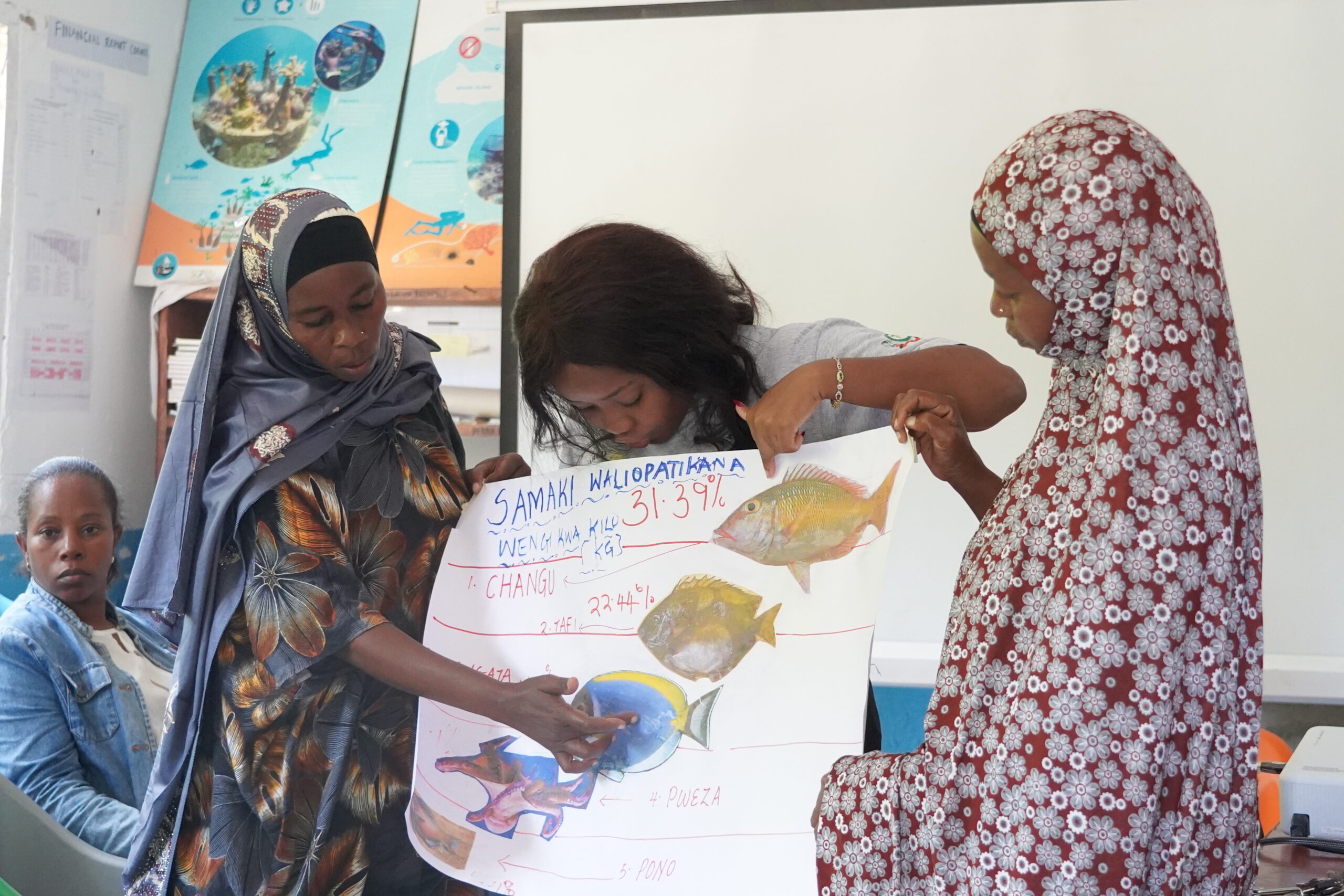
Fishers, fishworkers, community leaders, researchers and civil society organisations spent the morning exchanging experiences from their own coastlines. Although they came from different continents, the challenges they described sounded remarkably familiar: declining fish stocks, industrial encroachment, insecure tenure rights, climate impacts, marine pollution, and limited participation in decisions affecting their communities.
By the end of the session, what had begun as a series of regional conversations had evolved into something larger – a common political platform for small-scale fisheries.
The discussions in Mombasa were the culmination of months of dialogue, virtual exchanges and collaborative reflection facilitated through a partnership between TINTA and Movilizatorio, bringing together organisations from Africa (AWFISHNET), Southeast Asia (SEAFNET) and Latin America (ULAPA) within the Small-Scale Fisheries (SSF) Core Committee.
Representatives sought to build a practical set of advocacy demands grounded in the realities of people whose livelihoods depend directly on healthy coastal and marine ecosystems. These demands connected community priorities to the six action areas of the Our Ocean Conference and called for:
Beyond these priorities, participants also highlighted two cross-cutting issues that often remain overlooked in global ocean governance: gender equality and intergenerational participation, alongside better recognition of small-scale fisheries through community-led data and evidence.
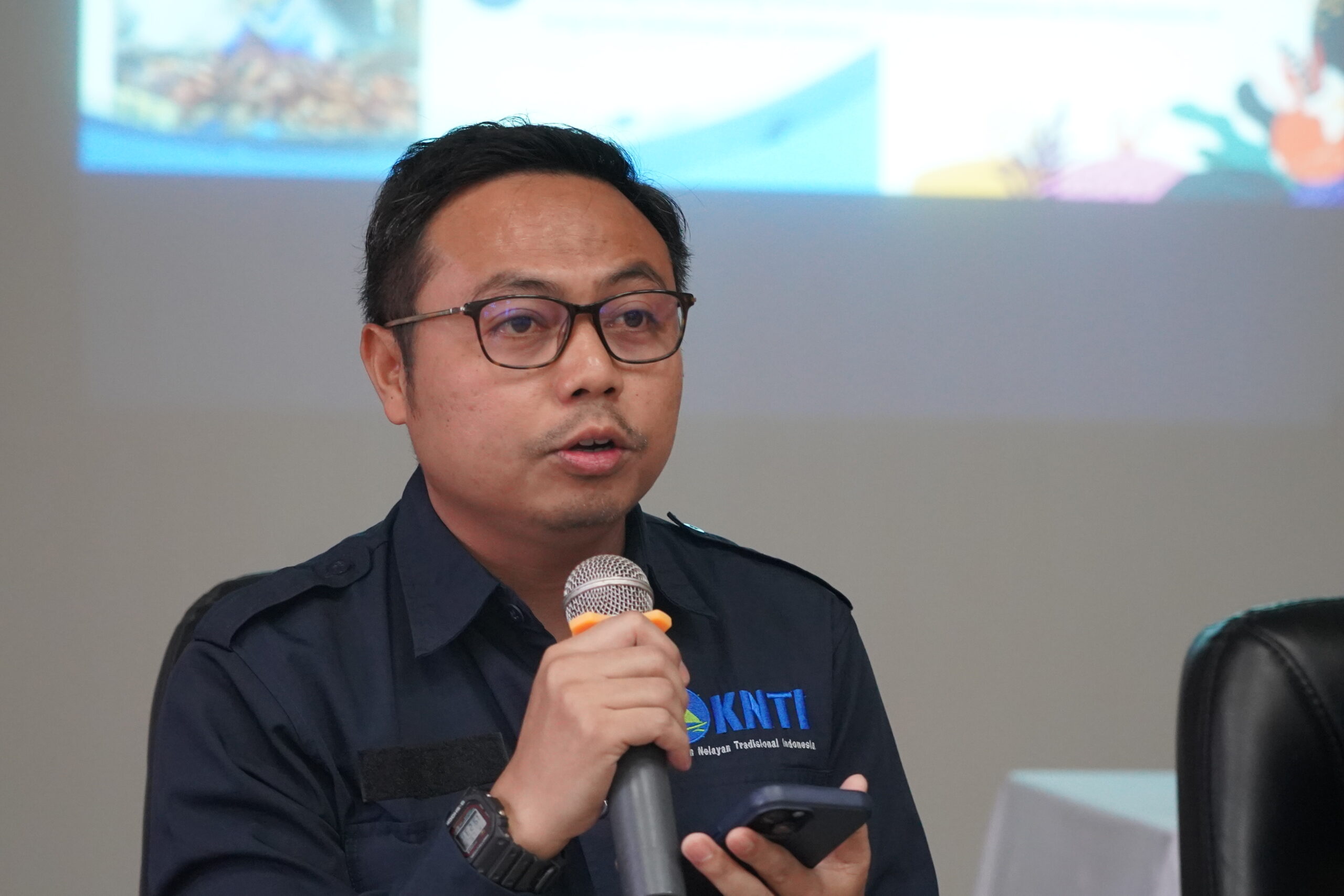
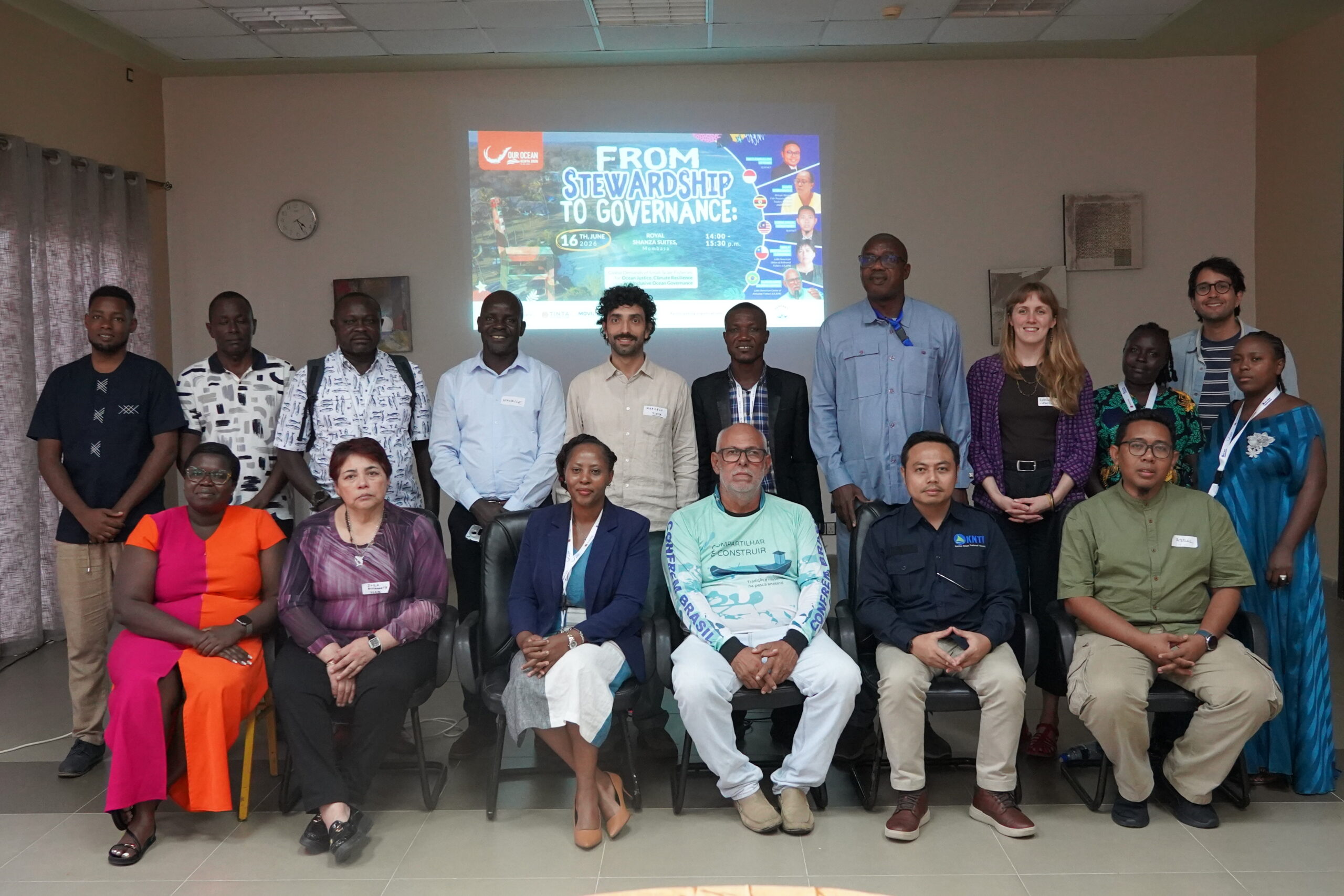
The agenda developed during the RISE UP working session was then carried into the SSF Core Committee side event, From Stewardship to Governance, where representatives presented their collective demands.
Rather than speaking as individual organisations, participants articulated a single cross-regional vision linking marine conservation, sustainable fisheries, climate resilience and community rights. The event demonstrated how communities are moving beyond local advocacy towards coordinated engagement in international decision-making processes.
This shift extended beyond the side event itself. On that same day, representatives also contributed to a broader civil society statement calling on governments and international organisations to place communities at the centre of ocean governance through three foundational principles: meaningful consultation and participation; effective accountability mechanisms; and transparent and accessible financing.
One message consistently emerged across discussions on marine conservation, sustainable fisheries and ocean-climate action: policies affecting coastal communities cannot continue to be designed without those who live with their consequences every day. As the collective statement concluded:
"Ocean governance that does not include us is governance that will fail both people and the planet."
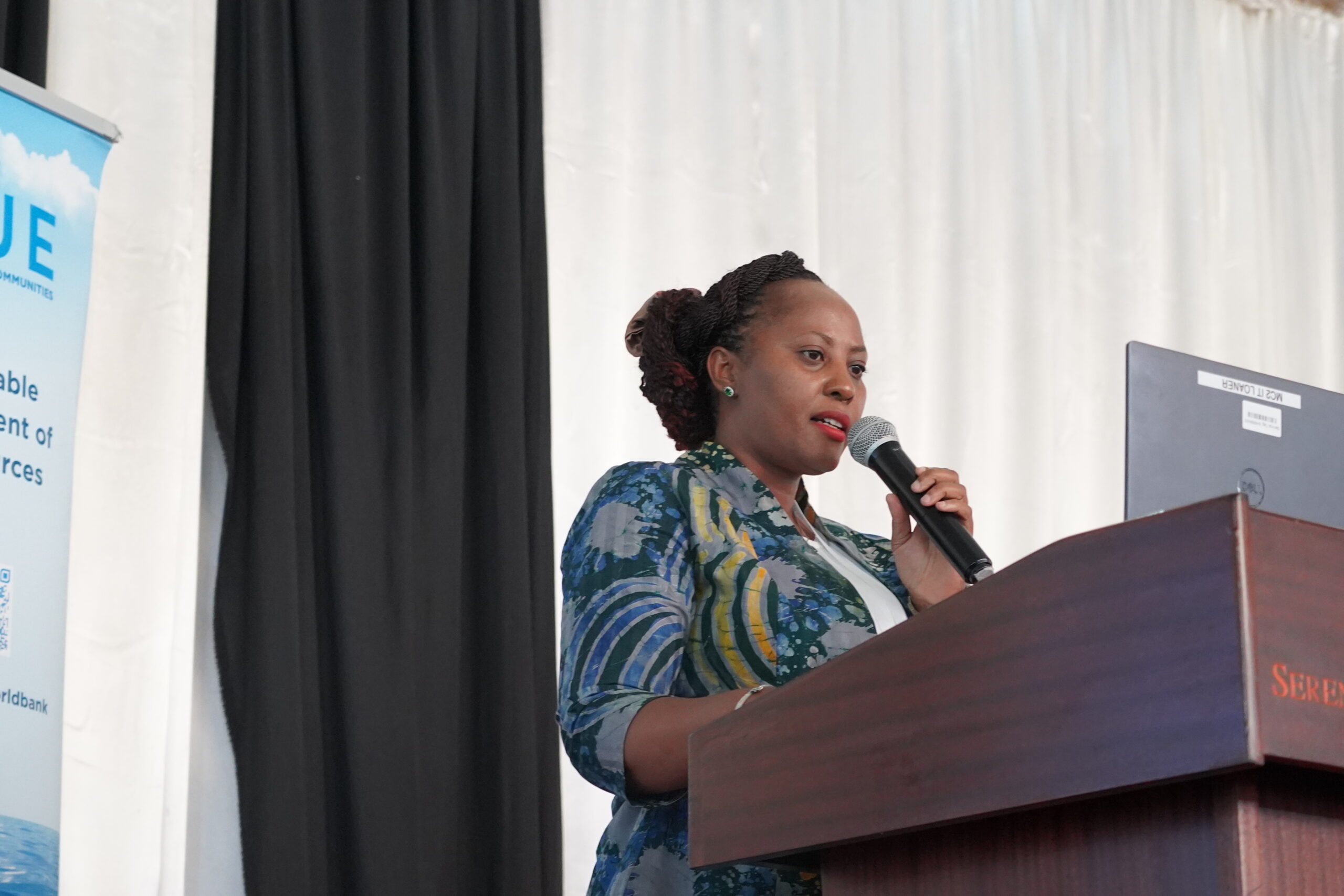
Lovin Kobusingye, President of AWFISHNET, offered a compelling reflection during the conference, as quoted in the Daily Nation (Nation Media Group) on 21 June 2026:
"Invisible people receive invisible budgets; invisible work receives invisible investment; and invisible communities receive invisible policies."
Visibility, in this sense, is not symbolic — it shapes where political attention, public investment and decision-making are ultimately directed.
AWFISHNET’s synthesis report also reflected on one of the conference’s lasting achievements: African women in fisheries had moved “from the periphery to the centre of the first Our Ocean Conference held on African soil”. That observation highlights a broader transformation taking place across the small-scale fisheries movement: the communities are the ones shaping the conversations.
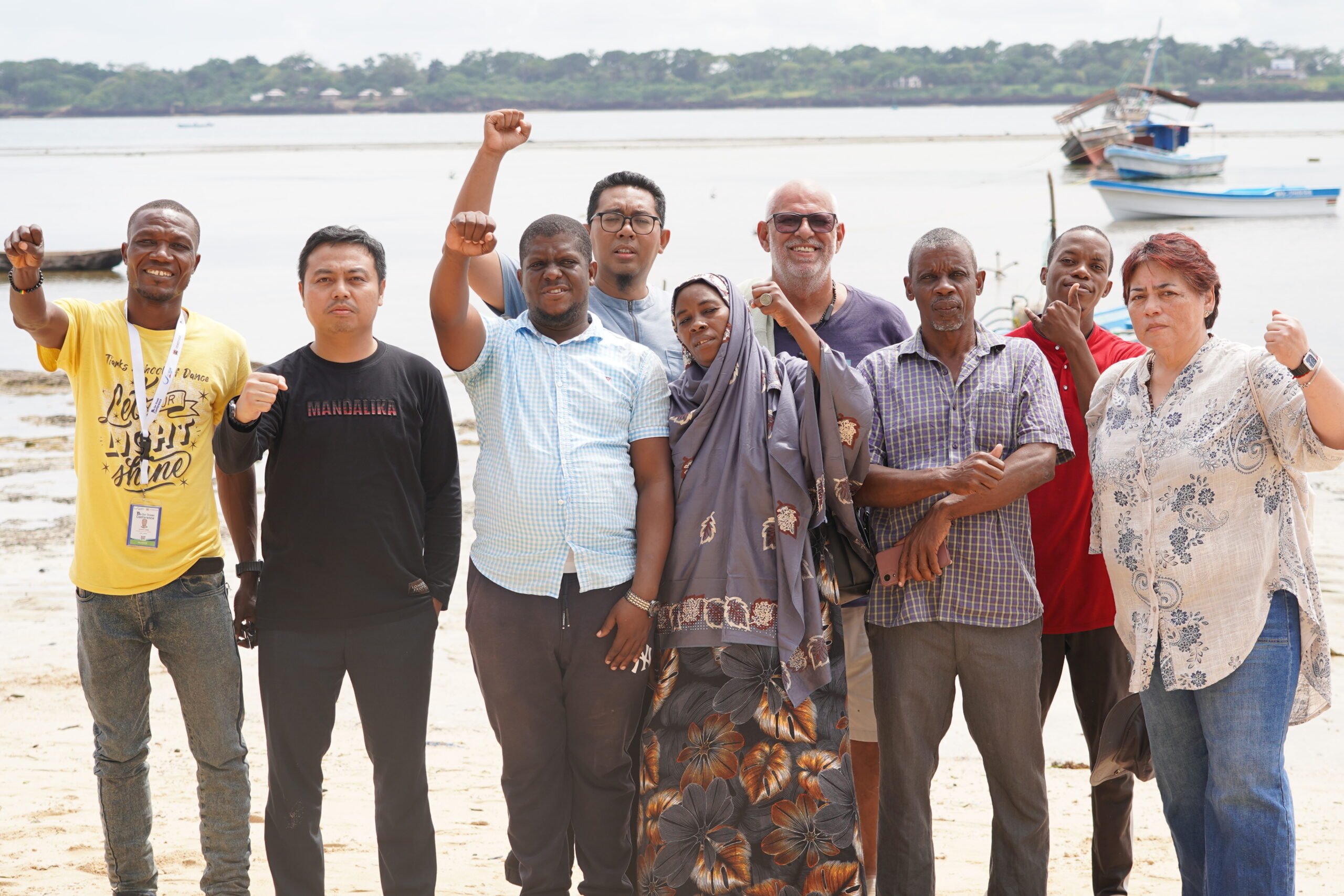
Some of the most important conversations in Mombasa happened outside the formal programme. Networking lunches, bilateral meetings and informal exchanges allowed representatives from different continents to discover just how closely their demands aligned — tenure rights, access to finance, recognition of women in fisheries, climate resilience and participation in governance.
These exchanges reinforced something that had already begun during months of preparation: organisations started to see themselves as part of a broader global movement for small-scale fisheries.
The six advocacy priorities developed by the SSF Core Committee are now travelling towards future international processes, including the FAO Small-Scale Fisheries Summit, the United Nations conferences on Convention on Biological Diversity (COP17) and on Climate Change (COP31), where organisations intend to continue advocating for community-centred ocean governance, direct financing and stronger recognition of small-scale fisheries.
The image of Maurice holding that small net needle is, perhaps, still the best summary of what happened in Mombasa. If those invisible threads were being woven separately at the start of the week, by its end they had become a single net — strong enough to bear the weight of what comes next.
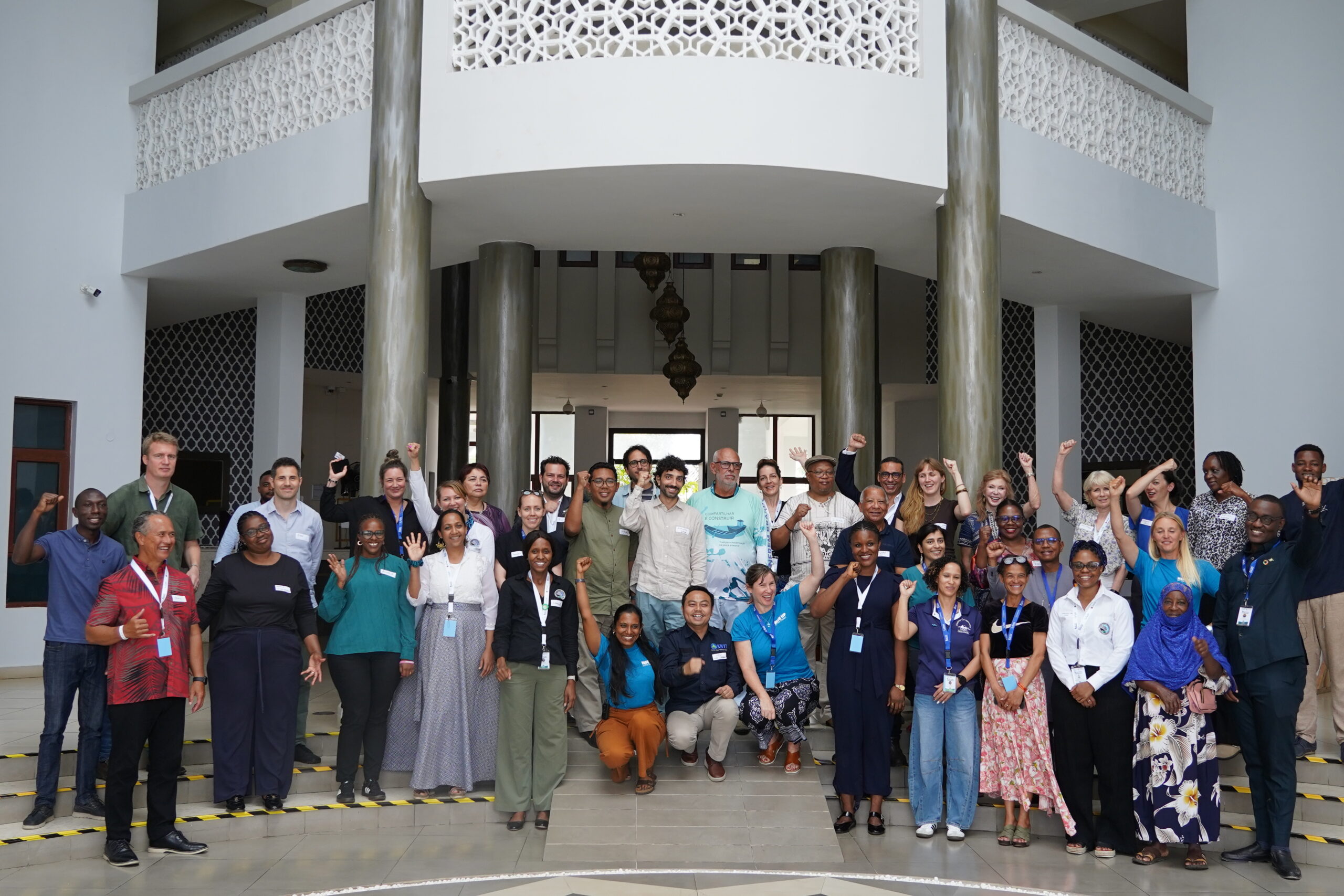
Throughout OOC11, those connections became visible. Representatives who once participated in international forums as individual organisations began speaking through common priorities, and a single political vision.
The most significant outcome is the continued emergence of a global movement of small-scale fishing communities speaking with a shared political voice. Mombasa demonstrated that when communities build trust, strengthen relationships and speak as one, they do far more than influence a conference – they help shape the future of global ocean governance.